New Bacterial Target Identified for Early Detection of Noma
Posted on 01 Apr 2026
Noma is a rapidly progressing orofacial infection that begins as gingivitis and can destroy oral and facial tissues, primarily affecting young children living in extreme poverty. Without treatment, it is fatal in up to 90% of cases, and survivors face severe disfigurement and lifelong complications. Most cases are identified too late, when significant tissue damage has already occurred. Researchers now report a microbial discovery that could enable earlier diagnosis and more effective treatment.
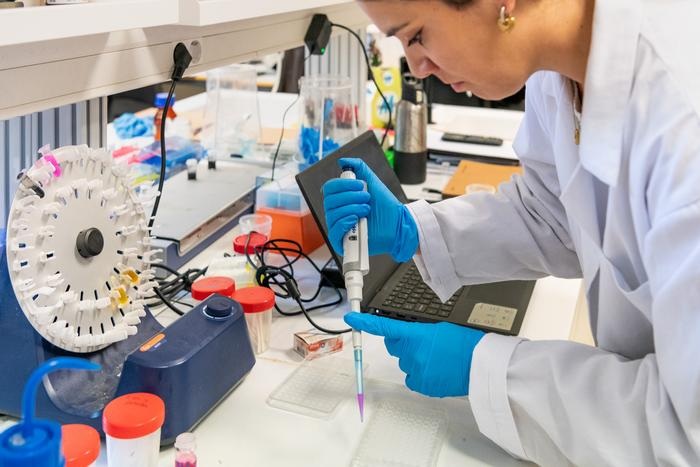
Liverpool School of Tropical Medicine (LSTM) researchers, working with the University of Liverpool, Médecins Sans Frontières, and the Noma Children’s Hospital in Sokoto, Nigeria, applied shotgun metagenomic sequencing and machine-learning algorithms to saliva samples from children with acute noma. The analyses uncovered a previously undescribed Treponema species that was strongly associated with the disease. Treponema bacteria were also detected in early disease stages, suggesting they may play a key role in triggering progression from gingivitis to noma.
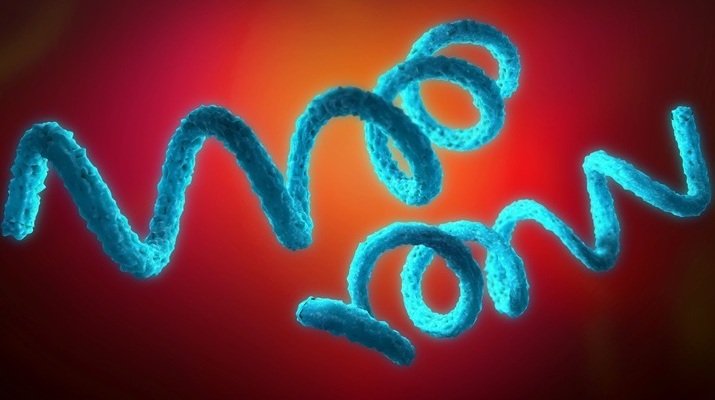
Further analysis indicated the identified bacteria did not harbor known antibiotic resistance genes, implying potential susceptibility to existing antibiotic treatments when detected early. The investigators also observed a disrupted oral microbiome in affected children, with Treponema taxa appearing more common and bacteria typical of a healthy mouth diminished. Together, these findings point to a consistent microbial signature for noma that could support earlier detection.
The research is published in PLOS Neglected Tropical Diseases. Noma was formally classified as a neglected tropical disease by the World Health Organization in 2023. According to the team, the discovery opens a path toward diagnostic tools that can identify the disease at its earliest stages, when treatment is most effective. The identification of a consistent microbial pattern marks a step forward in understanding this long-neglected condition and brings renewed hope for prevention, diagnosis, and treatment.
“We found that the composition of bacteria in children with noma is completely disrupted. Some bacteria, such as those in the Treponema genus, appear to be more common, while others that are usually part of a healthy mouth almost disappear. That imbalance gives us important clues about how the disease starts and progresses,” said Richard Goodman, joint lead author at Liverpool School of Tropical Medicine.
“Noma is a disease that simply should not exist, but up until now we have lacked a detailed understanding of the microbes involved. By using metagenomic sequencing, we can now see the full bacterial community in unprecedented detail. This has allowed us to identify a species of Treponema bacteria strongly linked to the disease,” said Adam Roberts, Professor at the Liverpool School of Tropical Medicine’s Center for Neglected Tropical Diseases.
Related Links
Liverpool School of Tropical Medicine (LSTM)