New Molecular Marker Helps Predict Multiple Myeloma Prognosis
Posted on 03 Jul 2026
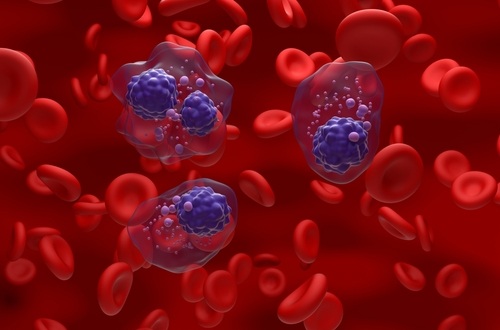
Multiple myeloma is a bone marrow cancer marked by resistance to therapy and frequent relapse, complicating long-term disease control. Better molecular markers are needed to refine risk assessment and inform treatment decisions. Transcription factors that shape gene activity and the epigenome are increasingly implicated in disease progression. New findings demonstrate that the transcription factor IRF2 has both pathogenic and prognostic significance in multiple myeloma.
Researchers at Cima and Clinica Universidad de Navarra (Pamplona, Spain) analyzed transcription factors to identify those essential to multiple myeloma biology, highlighting IRF2 as a central node. Conducted at the Cancer Center Clínica Universidad de Navarra, the work builds on prior studies that mapped the myeloma epigenome. The investigation positions IRF2 as a molecular determinant that can also function as a biomarker to stratify patient risk.
The study shows that IRF2 governs key biological programs in multiple myeloma, including necroptosis, cellular migration, and cell-cycle control. By linking IRF2 activity to these pathways, the authors delineate mechanisms that can influence tumor viability and dissemination. Importantly, the data indicate that measuring IRF2 expression can distinguish patients with better versus worse prognoses.
Using computational tools, the team first cataloged 230 transcription factors relevant to the disease context. From this set, they selected 54 factors expressed in myeloma cells for functional interrogation. Ten distinct CRISPR guides were designed for each factor to test whether inhibiting the target compromised myeloma cell viability. This screen identified 22 transcription factors as potentially essential for cancer development, with IRF2 prioritized for deeper analysis.
According to the authors, IRF2 expression levels enable improved risk stratification and could enhance prediction of treatment response when integrated into current classification systems. The research is published in Blood under the title “IRF2 is an essential transcription factor with pathogenic and prognostic impact in multiple myeloma.
“In those studies, we discovered that transcription factors could play a key role in the epigenomic alterations of multiple myeloma. In the study we have just published, we demonstrate the role of IRF2, a transcription factor whose role in this disease was previously unknown and which may become a promising therapeutic target,” explained Dr. Nahia Gómez-Echarte, a postdoctoral researcher at CIMA and first author of the study.
“We have also confirmed that its expression is a good biomarker because it allows us to stratify patients based on better or worse prognoses,” said Xabier Agirre, principal investigator of the Cima Epigenetics Group and co-director of the study.
“Incorporating this biomarker into current multiple myeloma classification systems could improve the ability to predict patients' response to treatments,” added Agirre.
Related Links
CIMA
Clinica Universidad de Navarra