Genetic Testing Identifies CHIP Patients at Increased Heart Disease Risk After Cancer Treatment
Posted on 15 Jan 2026
Genetic testing in cancer care often reveals unexpected findings that are not directly related to the tumor itself. One such finding is clonal hematopoiesis of indeterminate potential, a condition caused by age-related mutations in blood stem cells that usually produces no symptoms. While previously considered clinically unimportant in oncology, emerging evidence suggests these mutations may influence long-term health after cancer therapy. Now, a new study shows that patients with these blood mutations face a higher risk of cardiovascular disease following cancer treatment.
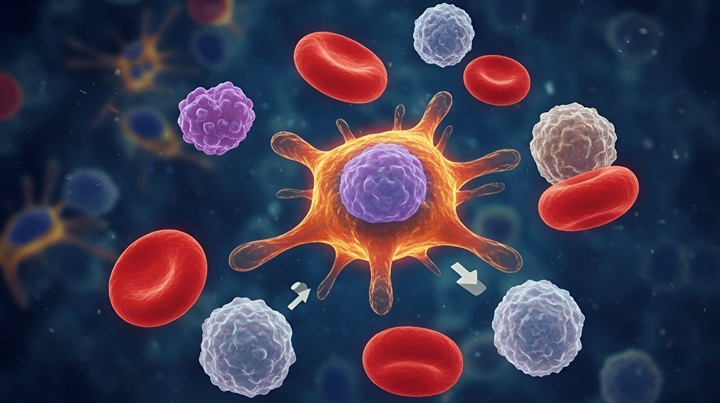
In the study led by Vanderbilt Health (Nashville, TN, USA), researchers used its large-scale biorepository, BioVU, which links electronic health records with whole-genome sequencing data. Researchers analyzed genetic and clinical data to identify patients with clonal hematopoiesis of indeterminate potential, or CHIP, among individuals treated for solid tumors. CHIP is not a cancer or blood disorder, but a condition in which certain blood stem cells acquire mutations and expand over time. The research focused on whether these mutations influence cardiovascular outcomes after exposure to chemotherapy, radiotherapy, immunotherapy, or combined cancer treatments.
The analysis included 8,004 patients with solid tumors who had no prior history of heart failure, ischemic heart disease, or arrhythmia before cancer treatment. Of these, 549 patients were found to have CHIP based on genomic data. Over a 10-year follow-up period, patients with CHIP experienced significantly higher rates of heart failure and ischemic cardiovascular disease compared with those without CHIP. Heart failure occurred in 20.3% of patients with CHIP versus 14.5% of those without, while ischemic cardiovascular disease was seen in 25.3% versus 18.5%, respectively. The association was strongest in patients who received more intensive chemotherapy.
Cardiovascular disease is the leading cause of noncancer-related death among cancer survivors, making early risk identification especially important. The findings, published in JAMA Oncology, suggest that CHIP status could serve as a useful biomarker to stratify cardiovascular risk before initiating cancer therapy. Identifying high-risk patients in advance may allow for closer cardiac monitoring during and after treatment. The researchers suggest that routine CHIP screening could support earlier involvement of cardio-oncology specialists and the use of cardioprotective strategies. Future studies may explore whether targeted interventions can reduce cardiovascular complications in this growing patient population.
“We frequently find CHIP in patients with cancer, but previously we did not consider this to be an important result for their care,” said Alexander Bick, MD, PhD, the study’s corresponding author. “We now know that these patients are at higher risk of heart disease and would likely benefit from including cardiologists in their care team.”
Related Links:
Vanderbilt Health