mNGS CSF Test Identifies CNS Pathogens Missed by Standard Panels
Posted on 20 Apr 2026
Central nervous system (CNS) infections such as encephalitis, ventriculitis, and brain abscess are among the most time-sensitive diagnostic challenges in neurology. Standard testing can return negative or inconclusive results even when clinical presentation suggests infection, complicating treatment decisions. Comprehensive, pathogen-agnostic sequencing of cerebrospinal fluid (CSF) can help resolve these cases when targeted panels miss the cause. A new metagenomic sequencing service now offers next-day, clinically reviewed results to support targeted therapy in complex suspected infections.
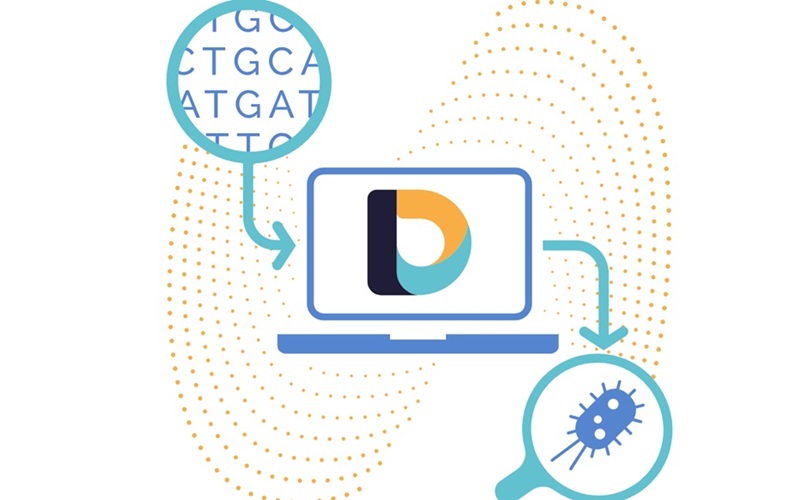
Delve Detect, from Delve Bio, is highlighted in new data being presented at the American Academy of Neurology (AAN) 2026 Annual Meeting in Chicago. The service applies metagenomic next-generation sequencing (mNGS) to cerebrospinal fluid to identify clinically actionable pathogens. Delve Detect is positioned as a comprehensive testing service built on technology exclusively licensed from the University of California, San Francisco (UCSF), with results delivered the day after sample receipt and access to an on-call Clinical Microbial Sequencing Board for context-based review.
The data to be presented at AAN includes a retrospective concordance study conducted with the University of Utah and ARUP Laboratories that compared Delve Detect with a widely used syndromic panel for CNS infections. Investigators report strong concordance with panel testing while identifying additional organisms, including pathogens the panel was designed to detect but missed, as well as co-infections that panel testing cannot identify. These findings will be presented as Oral Presentation 1237 in the Neuroinfectious Disease: Basic Sciences session on Tuesday, April 21, at 2:24 PM CT.
A separate case from Benioff Children’s Hospital Oakland describes a previously healthy toddler with acute neurologic symptoms whose initial CSF testing, including a multiplex syndromic panel, was negative for suspected herpes simplex virus. Antiviral therapy was discontinued in favor of treatment for autoimmune encephalitis until Delve Detect identified herpes simplex virus type 1 (HSV-1), enabling appropriate antiviral therapy and significant clinical improvement. This report was presented as Poster 4171 on Sunday, April 19.
A multicenter case series from several U.S. centers details patients with ventriculitis or brain abscess who had negative culture and multiplex polymerase chain reaction (PCR) results after empiric antimicrobials. In each case, Delve Detect identified the infectious pathogen, informing treatment decisions and obviating the need for brain biopsy. These data will be presented as Oral Presentation 5129 on Tuesday, April 21, at 2:36 PM CT.
“CNS infections that can cause encephalitis, ventriculitis and brain abscess are among the most time-sensitive diagnostic challenges in neurology. When standard testing returns negative or inconclusive results in a patient whose clinical picture suggests infection, patients and clinicians face a diagnostic odyssey with worse outcomes and very high healthcare costs,” said Brad Murray, chief executive officer of Delve Bio. “Whether it’s a toddler with worsening encephalitis or an adult with a culture-negative brain abscess, Delve Detect continues to demonstrate its ability to improve outcomes for these patients.”
“Delve Detect gives clinicians a comprehensive view of the clinically actionable pathogens in cerebrospinal fluid, beyond what current standard-of-care testing can provide,” said Steve Miller, M.D., Ph.D., chief medical officer of Delve Bio. “For neurologists managing critically ill patients, starting with comprehensive testing can be the difference between continued trial-and-error therapy and a targeted treatment plan at a time when every minute counts for the patient.”
Related Links
Delve Bio



.jpg)