DNA-Powered Test Accurately Detects E. Coli Lookalike Bacteria
Posted on 28 Oct 2025
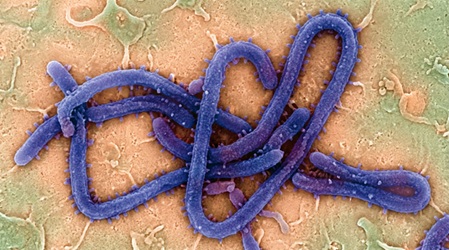
Accurately diagnosing bacterial infections remains a major clinical challenge, particularly when genetically similar species mimic one another. Such is the case with Escherichia marmotae, a bacterium often mistaken for E. coli in lab tests, leading to misdiagnosis and use of broad-spectrum antibiotics. Now, a new DNA-powered test is capable of distinguishing between the two species with precision, improving diagnosis and targeted treatment.
The test, developed by researchers at the Wayne State University School of Medicine (Detroit, MI, USA), is a polymerase chain reaction (PCR) assay that identifies unique biomarker peaks, accurately detecting E. marmotae without cross-reacting with E. coli or related bacteria. Unlike earlier methods that relied on overlapping E. coli markers, the new test is based on a 10% divergence in genome sequences and distinct differences in protein spectra between the two species. This enables reliable identification of E. marmotae in clinical isolates for the first time in North America.
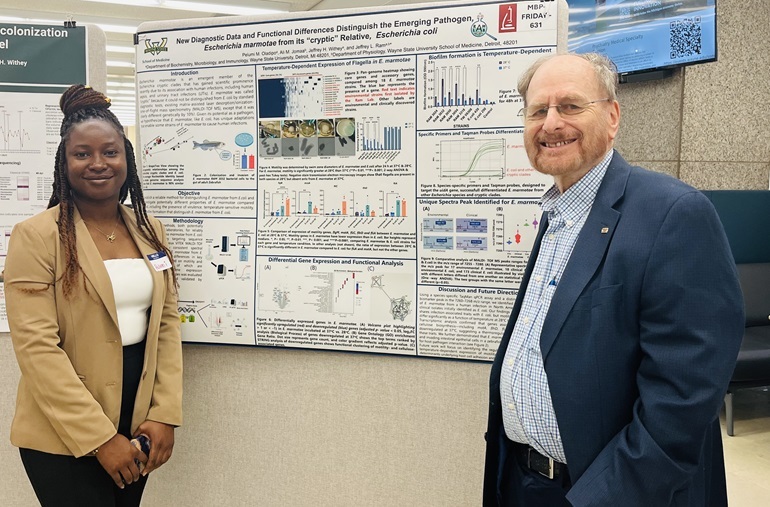
The research, published in Frontiers in Microbiology, highlights how previous diagnostic limitations led to the routine use of broad-spectrum antibiotics when E. marmotae was misidentified as E. coli. The new methods can not only improve diagnosis but also enable tracking of E. marmotae infections across regions.
“The medical response to a bacterial infection is often application of broad-spectrum antibiotics, which is the usual response when E. marmotae is mistaken for E. coli,” said lead researcher Pelumi Oladipo. “If species-specific methods for targeting bacteria in such infections can be developed, then identifying E. marmotae with our newly developed methods could be critical to applying the most effective therapy.”
Related Links:
Wayne State University School of Medicine