Blood-Based Metagenomic Test Detects Wide Range of Pathogens from Single Sample
Posted on 15 Oct 2026
Infectious disease diagnosis can be challenging when the causative pathogen is unknown at the start of evaluation. Conventional testing may require multiple targeted assays, delaying answers for patients with unusual presentations, exposure to atypical pathogens, or compromised immune systems. To broaden detection from a single specimen, a newly launched blood-based test uses metagenomic analysis to identify pathogens with next-day results.
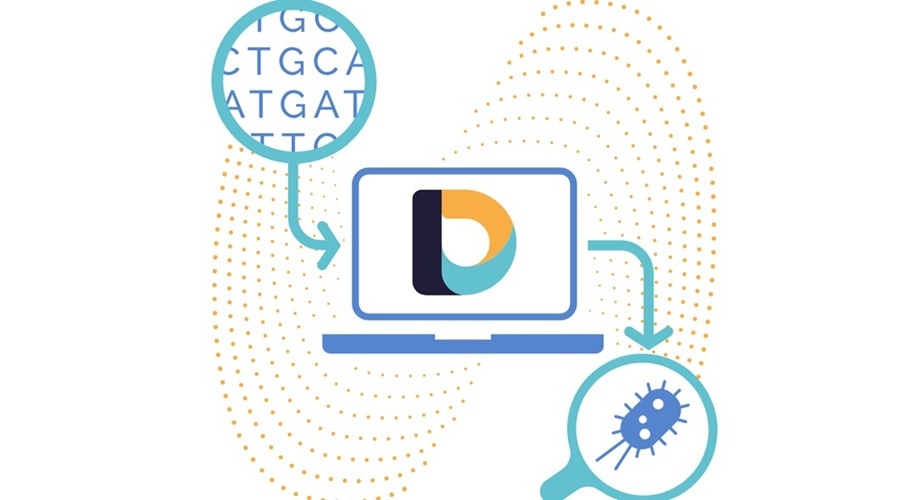
Delve Bio (Boston, MA, USA) has launched Delve Detect Plasma, expanding its Delve Detect testing portfolio beyond cerebrospinal fluid (CSF). The new blood-based test uses the company’s proprietary Delve Decide metagenomic next-generation sequencing (mNGS) technology to analyze both DNA and RNA and identify pathogens against a curated database of more than 68,000 bacteria, fungi, viruses, and parasites. Results are available the day after sample receipt, and the platform is designed to broadly detect potential pathogens without requiring clinicians to select a target organism in advance.
Delve Detect Plasma is the second test in the portfolio, following Delve Detect CSF, which was developed for patients with suspected meningitis or encephalitis. The company plans to introduce the new test and present clinical data at IDWeek 2026, taking place October 21–24 in Washington, D.C. The Delve Detect service also includes access to the Clinical Microbial Sequencing Board, an on-call team of infectious disease and laboratory medicine experts who provide clinical context for test results.
Three studies scheduled for presentation at IDWeek 2026 examine challenging infectious disease scenarios involving mNGS-based testing. The studies focus on difficult-to-detect neuroinvasive arboviruses, enterovirus associated with serious central nervous system infections, and neurotropic astrovirus in immunocompromised patients. Together, the findings illustrate how a single metagenomic test can identify unexpected pathogens while also providing genomic information that may help guide treatment decisions.
“The advantage of metagenomic sequencing is that we don’t have to know exactly what we’re looking for before we start testing. This approach can be especially valuable in complex cases, where evaluating a wider range of potential causes of infection may help us identify something that conventional testing could miss. With Delve Detect Plasma, critically ill patients with systemic infections can now be tested with our mNGS platform through a simple blood draw,” said Charles Chiu, MD, PhD, cofounder of Delve Bio and professor of laboratory medicine at the University of California, San Francisco.
Related Links
Delve Bio