Blood Protein Analysis Helps Interpret Uncertain Rare Disease Variants
Posted on 12 Sep 2026
Many patients with suspected rare genetic conditions remain undiagnosed even after genome or exome sequencing, leaving clinicians with limited evidence to interpret uncertain variants. Variants of uncertain significance are especially difficult to classify because sequence data alone may not reveal their biological effects. Blood protein measurements can provide a functional readout of genetic impact, but they are not routinely paired with sequencing in diagnostic workflows. A new study now shows that combining large-scale blood protein profiling with genomic data can help clarify unresolved rare disease cases.
Queen Mary University of London, together with the Berlin Institute of Health at Charité and Genomics England, assessed large-scale blood proteomics as a complement to genome sequencing in individuals with rare diseases who lacked a genetic diagnosis following analysis through Genomics England’s 100,000 Genomes Project. The approach measured nearly 1,500 circulating proteins and integrated these data with genomic findings. The objective was to refine interpretation of variants of uncertain significance and to highlight candidate gene–disease links for further investigation.
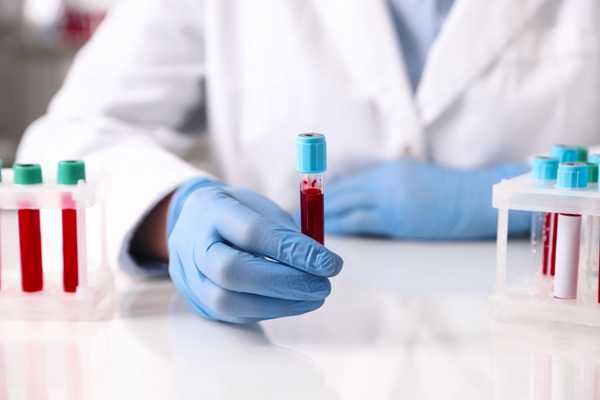
Proteins provide a functional readout of genetic activity, and unusually high or low levels of specific proteins in blood can indicate that a variant is having a biological effect. Unlike some methods that require skin biopsies and growth of patient cells in the laboratory, the investigators used blood samples, which could be less burdensome and more scalable for obtaining additional biological information. The analysis offers proof of principle that systematic blood proteomics can complement sequencing in rare disease assessment.
In the cohort, protein-genome integration helped resolve previously uncertain genetic findings and supplied evidence supporting diagnoses for some participants. The strategy was particularly informative in hereditary hemorrhagic telangiectasia. It also flagged a rare TIE1 variant in a family with an inherited cardiac disorder: the affected patient showed exceptionally low circulating TIE1, the same variant was found in the affected father and was absent from other 100,000 Genomes Project participants, and patient-derived cells demonstrated markedly reduced TIE1 levels and signaling. The authors emphasize that these findings represent candidate links requiring additional evidence rather than confirmed causes of disease.
The researchers note that current assays measure only a subset of proteins and not all disease-causing variants change circulating protein abundance, so the approach will not resolve every case. They call for larger studies across more diverse populations, expanded protein coverage, improved sensitivity, and robust reference ranges. The study was published in Science Translational Medicine on September 9, 2026, and involved Queen Mary University of London, the Berlin Institute of Health at Charité—Universitätsmedizin Berlin, the Max Delbrück Center for Molecular Medicine, and Genomics England.
“Genome sequencing has transformed our ability to diagnose rare diseases, but for many patients it still doesn't provide an answer. Our study shows how looking at proteins alongside the genome can give us another layer of evidence. If a genetic variant is accompanied by an unusually low level of the corresponding protein, for example, that can help us understand whether that variant is actually disrupting the way the gene functions. This could help us make more sense of genetic information we already have, rather than simply looking for more and more variants,” said Julia Carrasco-Zanini, of Queen Mary University of London’s Precision Healthcare University Research Institute and first author of the study.
Related Links
Queen Mary University of London
Genomics England
Charité—Universitätsmedizin Berlin