Single Genetic Analysis Identifies Causes of Premature Ovarian Insufficiency
Posted on 29 Aug 2026
Premature ovarian insufficiency (POI) affects up to 3.5% of women and represents a major cause of infertility. In most cases, the underlying etiology remains unknown, making patient counseling and clinical management more difficult. Beyond its impact on fertility, the condition is associated with risks to bone and cardiovascular health, as well as reduced quality of life. Researchers now show that a single exome-based genetic analysis can identify underlying causes in patients who previously lacked a diagnosis.
At the University of Tartu, investigators evaluated a single exome-based genetic analysis for previously unexplained POI. The approach, detailed in a study published in Human Reproduction Open, was designed to consolidate multiple investigations into one comprehensive test. The study focused on determining whether one analysis could detect several classes of pathogenic genomic variation.
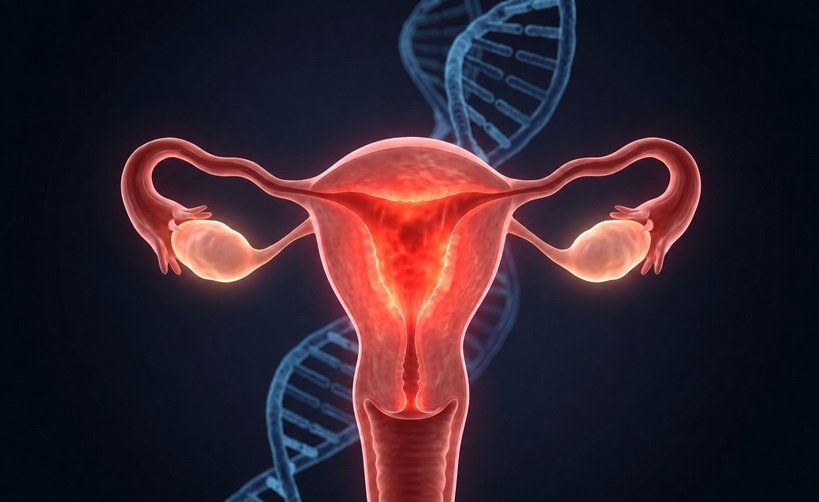
The method uses exome sequencing to analyze the protein-coding regions of the genome. Researchers examined each participant’s exome data for both small-scale variants affecting individual genes and larger abnormalities involving chromosomal regions. By assessing these different variant types simultaneously, the strategy aimed to reduce the likelihood of findings being missed when genetic testing is divided across separate assays.
The cohort included 51 Estonian women with POI for whom routine clinical assessment had not identified an underlying cause. Investigators screened the exome data for pathogenic alterations linked to known genetic causes of the condition. This streamlined approach was designed to provide a more comprehensive assessment of the potential genetic contributors to ovarian dysfunction.
The analysis identified a genetic cause in 12% of participants, representing approximately one in eight women whose condition had remained unexplained following clinical evaluation. The authors noted that many of the genes implicated in these findings are also associated with broader health conditions, suggesting that POI may sometimes represent one feature of a wider clinical picture.
The authors added that a confirmed genetic diagnosis can guide the assessment of other potential health risks and help determine whether further evaluation or long-term monitoring is needed.
“POI can be caused by a wide variety of genetic changes. In current clinical practice, established genetic causes are often investigated using separate tests, while broader genomic approaches are not yet routinely implemented. As a result, some disease-causing changes may remain undetected. We therefore wanted to determine whether a single exome-based analysis could identify several different types of genetic changes and provide a more comprehensive assessment of the genetic causes of POI,” said Anu Valkna, junior research fellow in human genetics at the University of Tartu.
“A genetic diagnosis of this kind helps us better understand the cause of the condition and can provide important information about whether other family members may also be at risk. It can also support more informed decisions about fertility preservation and family planning,” Valkna emphasized.
Related Links
University of Tartu