AI-Based Antibody Profiling Predicts Strength of COVID-19 Vaccine Response
Posted on 24 Aug 2026
Vaccine-induced protection can vary widely between individuals, creating uncertainty for clinicians, particularly in patients with immunosuppressive conditions. Demographic and health factors explain only part of this variability, and responses can differ even among people with similar profiles. Predicting antibody responses before vaccination could help guide care and study design. New findings show that preexisting antibody patterns in blood, analyzed with artificial intelligence, can predict the strength of response to COVID-19 vaccines.
Arizona State University researchers and collaborators evaluated a pre-vaccination “antibody fingerprint” to stratify likely responders. The approach profiled circulating antibodies against 185 antigens spanning common viruses and bacteria as well as targets associated with autoimmune disease. Deep-learning analysis of samples collected before and after COVID-19 vaccination was then used to distinguish patterns associated with strong versus weak responses.
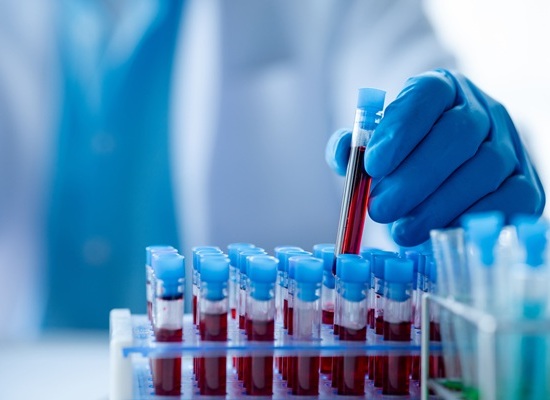
The study assessed 8,687 blood samples from 4,089 participants, encompassing healthy volunteers and people with conditions or treatments linked to immune suppression. These included HIV, multiple myeloma, solid organ malignancy, autoimmune disease, inflammatory bowel disease, and solid organ transplantation. While several immunosuppressed groups were more likely to show blunted vaccine responses, the categories were imperfect predictors; notably, about 5% to 6% of healthy participants also exhibited weak responses.
Higher preexisting levels of certain antibodies—including those targeting Staphylococcus aureus, respiratory syncytial virus (RSV), and human respirovirus 3—were linked with stronger COVID-19 vaccine responses. The investigators describe these as “sentinel” antibodies that may reflect a person’s baseline immune readiness rather than directly targeting the vaccine antigen. By integrating hundreds of antibody measurements into a single immune profile, the deep-learning model identified subtle signal combinations that would be difficult to detect with conventional analyses.
According to the authors, the work underscores the value of technologies that can capture broad antibody landscapes instead of focusing on responses to a single pathogen. If validated in additional studies and with other vaccines, sentinel antibody profiling could inform vaccine testing, development, and clinical care for people at risk of weak responses. The research appears in Cell Press Blue on August 20, 2026, and was conducted with colleagues from medical and research institutions across the United States.
“What our study found is that certain biomarkers, when analyzed with AI, can predict who is likely to respond well to a vaccine, even before they receive it. This suggests that some people may be more immune-ready than others,” said Joshua LaBaer, executive director of the Biodesign Institute at Arizona State University and director of the Virginia G. Piper Center for Personalized Diagnostics.
Related Links
Biodesign Institute at Arizona State University