Diagnostic Models Detect Hidden Eye Abnormalities After Mild COVID-19
Posted on 10 Jul 2026
Persistent ocular symptoms after COVID-19 can severely affect reading, work, and daily tasks, yet standard eye exams often reveal no clear abnormalities. Patients experiencing photophobia, eye pain, and difficulty focusing have often lacked objective testing to explain their symptoms. This diagnostic gap can delay care and make it harder to return to normal activities.
Researchers at Linköping University developed two diagnostic models to identify ocular abnormalities following mild, non-hospitalized COVID-19. One model uses measurements obtainable with instruments commonly available in eye clinics at larger academic hospitals, while a second incorporates selected tear-fluid protein values to further improve accuracy.
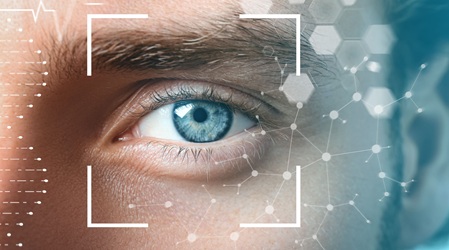
The models were informed by specialized examinations that revealed long-term inflammation and deterioration in several eye functions governed by neural control. Proteomic analysis of tear fluid showed abnormal patterns in proteins involved in nerve regulation and T-cell activity. These findings were consistent with advanced eye microscopy used to quantify T cells and corneal nerves, and similar protein patterns have been reported in blood and tissue from severe and fatal COVID-19 in other studies.
In the study, investigators examined 100 individuals with persistent eye problems three months to three years after mild COVID-19 and compared them with 32 people who had mild COVID-19 without eye symptoms. One in three affected individuals were on full- or part-time sick leave. Standard clinical tests did not detect the abnormalities; specialized assessments were needed to reveal deviations explaining symptoms such as photophobia, headache, reading difficulty, and impaired focus.
Additional measurements identified impaired pupil function that allowed excess light into the eye, helping explain light sensitivity and visual strain. Researchers also observed disrupted binocular cooperation consistent with adult-onset strabismus, which they indicated could reflect involvement of nerves controlling the extraocular muscles. Together, the abnormalities point to a post-COVID eye syndrome. The work was published in Nature Communications under the title “Long-term ocular symptoms following COVID-19 linked to immune dysregulation, dysautonomia and peripheral neuropathy.”
“I think it's very important that the problem is recognized and that we show that it can be measured by objective testing. Patients don't have access to that today. We've studied people in Sweden, but believe that many people around the world are experiencing these problems,” said Neil Lagali, professor of experimental ophthalmology at Linköping University.
“Our findings suggest that these people have suffered a severe reaction to COVID-19 manifested in the eyes, with long-term inflammation and an impact on the nerves that control multiple eye functions,” said Petros Moustardas, senior research associate at Linköping University.
Related Links
Linköping University