New Culture Medium Speeds C. difficile Resistance Detection and Reduces Costs
Posted on 09 Jun 2026
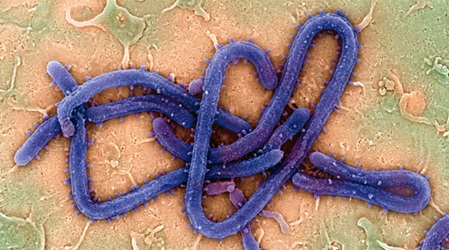
Clostridioides difficile infections remain a persistent threat in hospitals and communities, affecting about 500,000 people in the United States each year. Severe cases can be fatal within 30 days of diagnosis, underscoring the need for timely, effective therapy. Care becomes more complex when the pathogen develops resistance to fidaxomicin, a first-line antibiotic, yet screening for this resistance is often slow and expensive. New findings now show that a simple culture-medium modification can speed detection of fidaxomicin resistance while reducing cost.
At the Cleveland VA Medical Center and Case Western Reserve University, investigators presented findings on fidaxomicin-supplemented C. difficile Brucella agar at the American Society for Microbiology (ASM) Microbe 2026 meeting in Washington, D.C. The modified culture medium is designed to accelerate detection of fidaxomicin resistance while reducing material and labor demands compared with current workflows.
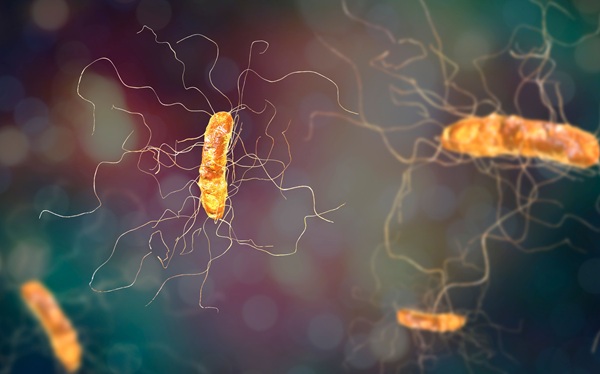
The method incorporates a small amount of fidaxomicin directly into standard C. difficile Brucella agar. This adjustment eliminates the color-based ambiguity that can occur on routine plates, where resistant C. difficile may resemble other organisms, simplifying recognition during screening. By making resistant growth easier to identify, the approach reduces reliance on specialized expertise.
In testing with 126 stool specimens previously positive for C. difficile, the fidaxomicin-enriched medium identified resistant isolates with 100% sensitivity. The team estimated that screening 1,000 patients using this approach would save 201 work-hours and $9,075 in supplies and labor. According to the presenters, the method could be scaled for public health departments and research laboratories once preliminary findings are validated, and it may be further refined with color indicators or adapted to other hard-to-detect resistance phenotypes.
Related Links
Case Western Reserve University
American Society for Microbiology