Tumor Immune Structure Predicts Response to Immunotherapy in Melanoma
Posted on 24 Apr 2026
Many patients with advanced melanoma start on anti-PD-1 immunotherapy, but responses can wane or never develop. Clinicians often turn to anti-CTLA-4 after resistance emerges, yet predicting who will respond remains difficult. Understanding how immune cells behave within the tumor microenvironment may explain persistent resistance despite combination treatment. New findings demonstrate that the spatial organization of immune cells inside tumors may indicate which patients benefit from combination immunotherapy after anti-PD-1 failure.
A new study from UCLA Health Jonsson Comprehensive Cancer Center (Los Angeles, CA, USA) identifies “cellular neighborhoods”—organized patterns of interaction among immune and melanoma cells—as potential indicators of response to ipilimumab plus nivolumab after anti-PD-1 therapy has stopped working. The analysis found that intratumoral immune architecture, rather than tumor genetics alone, distinguished responders from non-responders. Tumors with active networks of cancer‑killing T cells were linked to clinical benefit, while tumors dominated by dense plasma cell clusters were far less likely to benefit.
Researchers analyzed tumor biopsies from patients enrolled in the SWOG S1616 clinical trial, all with melanoma that had progressed on anti-PD-1 therapy. Participants were randomized to receive ipilimumab (targets CTLA-4) plus nivolumab (targets PD-1) or ipilimumab alone, with biopsies obtained before treatment and again about one month later. Working with collaborators at the Parker Institute for Cancer Immunotherapy and industry partners, the team combined genetic sequencing with high‑resolution imaging to map which genes were active and where immune and cancer cells were physically located within each tumor.
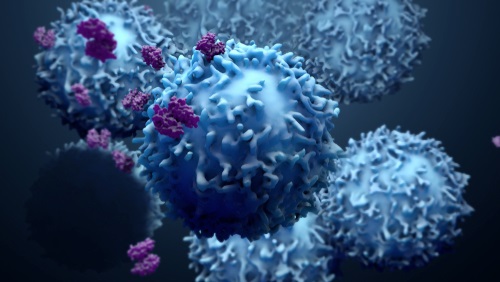
Responders to combination therapy showed CD8 T cells entering tumors and clustering tightly around melanoma cells, alongside evidence of active immune signaling and dividing CD8 populations near tumor cells. As tumors began to shrink, additional immune cells, including regulatory T cells and monocytes, appeared in the microenvironment, forming coordinated cellular neighborhoods. Non‑responding tumors frequently contained plasma cell–rich regions associated with reduced T‑cell activity and continued growth. In responding tumors, T cells were positioned near blood vessels and supportive immune cells, facilitating infiltration and coordinated attack.
The study is published in Cancer Discovery. The findings suggest tumor structure—not just genetics—may help guide treatment selection in melanoma, identifying patients most likely to benefit from combination immunotherapy and those who may need a different approach sooner. Next steps cited by the researchers include learning how to reshape resistant tumor environments and how best to combine immunotherapy with targeted therapy, chemotherapy, or radiation.
“The T cells need to directly see the cancer cells to kill them, but they also need to be able to move around and get the correct signals to tell them to keep going or keep killing,” said Dr. Katie Campbell, adjunct assistant professor of medicine at the David Geffen School of Medicine at UCLA and first author of the study. "If they can't get into the tumor through blood vessels, or don't get these signals because the right types of immune cells aren't there, the patient isn't going to respond to the therapy."
Related Links
UCLA Health Jonsson Comprehensive Cancer Center