






Biomarker Predicts Immunotherapy Response and Prognosis in Colorectal Cancer
Posted on 15 Apr 2026
Colorectal cancer is common and often lethal, and therapeutic decision-making is complicated by heterogeneous tumor microenvironments. Immunotherapy benefits only a small subset of patients, around 5%, and responses remain inconsistent, underscoring the need for reliable predictive markers that can be readily implemented in routine workflows. New findings show that a stromal protein signal in colon and rectal tumors may indicate prognosis and help identify patients more likely to benefit from immunotherapy.
Hospital del Mar Research Institute (HMRIB; Barcelona, Spain), together with the Institute for Research in Biomedicine (IRB Barcelona) and the CIBER Oncology area (CIBERONC), identified cancer-associated fibroblasts expressing the protein CTHRC1—designated CTHRC1(+) cancer-associated fibroblasts (CAFs)—as a tissue biomarker for colon and rectal cancer. These stromal cells reside within the tumor microenvironment and help tumors proliferate. Detecting this protein in non‑tumor cells may assist prognosis and help identify patients who could benefit from immunotherapy or from treatments that inhibit the protein.
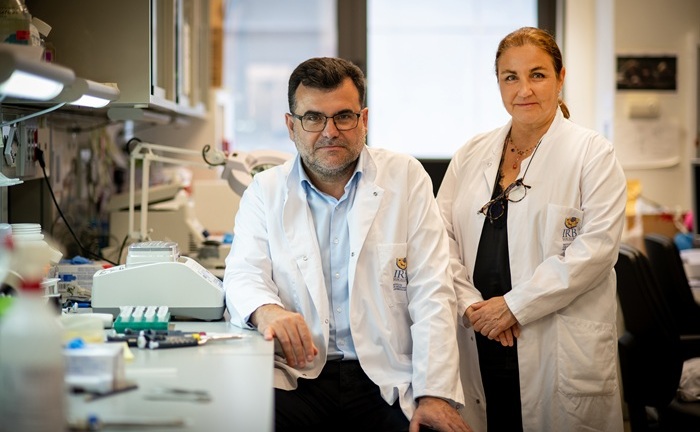
According to the investigators, the marker captures activity of transforming growth factor beta (TGF‑beta) in the tumor microenvironment, a pathway associated with poorer outcomes. High CTHRC1 protein levels were linked to treatment resistance. The presence of CTHRC1(+) CAFs also enabled assessment of the state of immune cells within the tumor and their capacity to act against neoplastic cells, and its usefulness was not limited to patients previously considered eligible for immunotherapy.
To establish clinical utility using immunohistochemistry tests routinely applied in pathology services, the team conducted a complex, multidisciplinary validation program. The potential of CTHRC1(+) CAFs as predictive markers of treatment response was evaluated across 17 cohorts encompassing samples from nearly 3,000 patients. Tumor cell RNA was analyzed at the single‑cell level to pinpoint the most informative stromal populations; only CTHRC1(+) CAFs retained predictive capacity. Results were validated with patient samples from several hospitals, including Hospital Clínico Universitario de Valencia, Hospital Universitario Germans Trias i Pujol, and Hospital del Mar.
The study is published in Gut (2026). A key practical advantage is that the marker can be determined with immunohistochemistry, which is routinely available in hospital pathology laboratories. The authors also note that the results could be applicable to other tumor types, including breast and lung cancer.
"The tumor microenvironment plays a decisive role in the progression of colorectal cancer and in its response to treatments. Over the years, our research has shown that TGF-beta is a key regulator of this ecosystem, modulating the behavior of stromal cells surrounding the tumor. The identification of CTHRC1 as a TGF-beta-induced factor exemplifies how basic research can lead to clinically applicable biomarkers," stated Dr. Eduard Batlle, ICREA researcher at IRB Barcelona and member of CIBERONC.
Related Links
Hospital del Mar Research Institute
Institute for Research in Biomedicine








_image.png)