International Consensus Standardizes Tumor Microbiota Detection and Reporting
Posted on 07 Apr 2026
Cancer outcomes are shaped not only by tumor genetics but also by the surrounding microenvironment, where low microbial biomass and contamination risks complicate measurement. Researchers now report an international consensus in Cancer Cell that defines the tumor microbiota and recommends standards for its detection and interpretation. The guidance targets methodological inconsistency that has hindered reproducible findings in studies of intratumoral microorganisms.
The tumor microbiota—bacteria, fungi, viruses, and other microorganisms detected in tumor tissue—is increasingly recognized as a significant element of the tumor microenvironment. Preclinical and clinical observations over the last decade indicate the gut microbiota can shape cancer development and modulate responses to immunotherapy. Experiments modifying microbial communities have affected tumors in the intestine and in distant organs, including the brain, liver, pancreas, breast, bones, and skin.
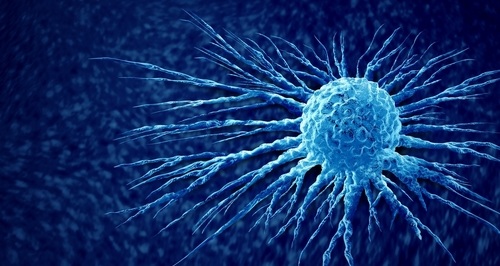
Authored by institutions across the United States, Israel, Austria, and Italy, the consensus synthesizes available evidence and clarifies terminology. It defines the tumor microbiota as microorganisms and their molecular components—nucleic acids, proteins, and metabolites—present within the tumor and its ecological niche, distinct from superficial or luminal communities. Proposed mechanisms include the circulation of microbial structural elements and metabolites that remodel the microenvironment, and translocation of viable microorganisms from mucosal sites to interact locally and influence immunity.
To avoid technical pitfalls and misinterpretation, the article recommends integrating complementary methods—genetic sequencing, imaging, microbial cultures, and functional tests—to confirm microbial presence, viability, and causal roles. It also proposes minimum reporting standards to improve reproducibility, with emphasis on tumor types characterized by low microbial biomass that require stringent validation. Led by the CeMM Research Center for Molecular Medicine of the Austrian Academy of Sciences, the work appears in Cancer Cell in 2026 and notes that interventions targeting intratumoral microbes could improve responses to immunotherapy, chemotherapy, and other therapies if causal pathways are established.
“This demonstrates that tumor-associated microbes are not mere bystanders, but active modulators of tumor biology and of the response to therapies. Studying them rigorously remains complex, due to their scarcity in tumor tissues, the risk of contamination, and methodological biases, but understanding their role will be fundamental for developing more targeted therapeutic strategies,” said Maria Rescigno, Scientific Director of the CeMM Research Center for Molecular Medicine of the Austrian Academy of Sciences and Professor of General Pathology at Humanitas University.
“The goal is to move beyond the debate on mere microbial presence and focus on clinically relevant questions: how tumor-associated microbes influence tumor biology and response to therapies, and whether they may represent useful biomarkers to guide more effective and personalized therapeutic strategies,” added Luca Tiraboschi, researcher at the Laboratory of Mucosal Immunology and Microbiota of Humanitas.
Related Links
CeMM Research Center for Molecular Medicine of the Austrian Academy of Sciences