Whole Genome Sequencing in Routine Care Expands Rare Disease Detection
Posted on 01 Apr 2026
Rare diseases often involve prolonged diagnostic journeys that delay clinical decision-making and complicate family planning. As phenotypes become more heterogeneous, sequencing-based methods are increasingly used to improve diagnostic yield. Whole genome sequencing, which surveys the entire genome, can identify variants that targeted tests may miss and has emerged as a comprehensive approach in this setting. A new study demonstrates the impact of integrating this approach into routine clinical care, where whole genome sequencing provided genetic diagnoses for nearly one-quarter of more than 15,000 evaluated patients.
Karolinska Institutet, together with Karolinska University Hospital and SciLifeLab, has integrated whole genome sequencing (WGS) into routine diagnostic investigations for suspected rare diseases at Karolinska University Hospital. Over the past decade, the collaborators developed a model that embeds WGS in clinical evaluation, supported by coordinated processes and multidisciplinary input. To date, more than 15,000 patients have had their entire genome sequenced, and the study summarizes data from 15,644 individuals.
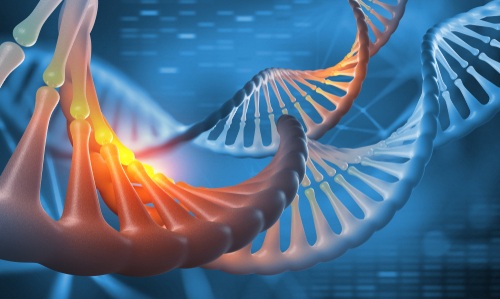
WGS provides a more comprehensive genomic picture than tests that analyze only parts of the genome. A genetic cause of disease was identified in 3,538 individuals, corresponding to 23%, with variants distributed across more than 1,500 genes. Diagnosed patients spanned numerous specialties, a large proportion were children, and the majority would not have received a diagnosis without the multidisciplinary approach, according to the researchers.
The model depends on close cooperation among clinical specialists, geneticists, bioinformaticians, and laboratory staff operating within well-defined workflows. Analyses are tailored to each patient’s unique presentation, and results are rapidly translated into individualized care. In several cases, including congenital metabolic disorders and severe epilepsies, targeted treatment was offered directly as a result of the diagnosis, helping prevent severe disease or early death.
The findings are published in Genome Medicine on March 30, 2026 as a 10-year report on genome sequencing for rare diseases and a strategy for stepwise clinical implementation. The work is a collaboration between Karolinska Institutet, Karolinska University Hospital, and SciLifeLab. The team reports no conflicts of interest and views the joint approach as part of a broader shift in Sweden toward more precise and personalized care.
“For many patients with suspected rare diseases, receiving a genetic diagnosis is highly significant. It can provide an explanation for their condition and help guide treatment, follow-up, and family planning. Whole genome sequencing allows us to detect genetic changes that would otherwise remain unnoticed,” said Anna Lindstrand, adjunct professor at the Department of Molecular Medicine and Surgery, Karolinska Institutet, and senior consultant and head of section at Clinical Genetics and Genomics, Karolinska University Hospital.
“In several cases, for example, in congenital metabolic disorders and severe epilepsies, we have been able to offer targeted treatment as a direct result of the diagnosis, preventing severe disease or early death,” said Anna Wedell, Professor at the Department of Molecular Medicine and Surgery, Senior Consultant at Karolinska University Hospital, and Director of Precision Medicine Center Karolinska.
Related Links
Karolinska Institutet
SciLifeLab