New Blood Test Can Help Predict Testicular Cancer Recurrence
Posted on 06 Mar 2026
Stage 1 testicular germ cell tumor is typically treated with surgery followed by active surveillance. Although most patients experience strong long-term outcomes, about one in four will see their cancer return within five years. The uncertainty surrounding recurrence can lead to long-term stress and anxiety, even many years after treatment. These concerns, combined with ongoing physical side effects and fertility worries, can significantly affect quality of life. Researchers have now identified a blood-based biomarker that could help predict which patients are most at risk of relapse.
The findings come from the CLIMATE study, co-led by the Walter and Eliza Hall Institute of Medical Research (WEHI, Melbourne, Australia), which investigated whether a circulating biomarker could detect minimal residual disease after surgical removal of the affected testicle. The research team focused on miR-371, a protein-related biomarker released into the bloodstream by testicular cancer cells. Measuring this biomarker via a blood test allows clinicians to detect small numbers of residual cancer cells that may not be visible on imaging or conventional monitoring.
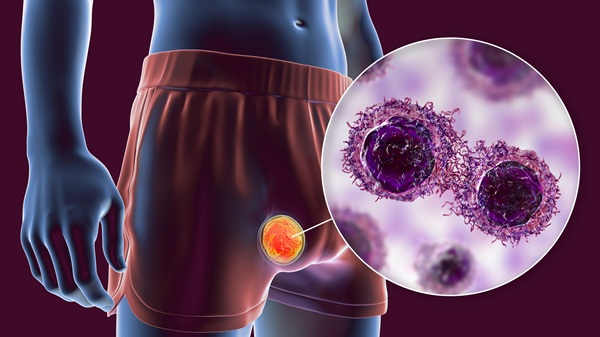
The study found that miR-371 could identify minimal residual disease in early-stage testicular cancer patients following surgery. According to the researchers, the biomarker performed better than currently available predictive tools for estimating relapse risk. These early findings suggest that miR-371 testing may help identify patients who still have microscopic cancer cells present after treatment, allowing clinicians to more accurately assess the likelihood of recurrence during active surveillance.
If validated in larger studies, the blood test could help personalize treatment strategies for early-stage testicular cancer patients. High-risk individuals could receive additional therapy sooner, while patients with low relapse risk could avoid unnecessary treatment and its associated side effects. Researchers believe this approach could improve long-term outcomes while reducing the psychological burden associated with uncertainty during cancer surveillance.
“These early findings suggest that this blood test could become a valuable tool to personalize care for those affected by early-stage testicular cancer,” said Associate Professor Ben Tran, CLIMATE study lead investigator. “In the future, we hope it will help doctors identify patients who could benefit from early additional treatment, while sparing others from unnecessary therapy.”
Related Links:
WEHI