AI Models Could Predict Pre-Eclampsia and Anemia Earlier Using Routine Blood Tests
Posted on 19 Jan 2026
Pre-eclampsia and anemia are major contributors to maternal and child mortality worldwide, together accounting for more than half a million deaths each year and leaving millions with long-term health complications. Early diagnosis is critical but remains difficult in low-resource settings where laboratory capacity and specialist care are limited. Most diagnoses are still made after symptoms appear, when risks to mothers and babies are already high. Now, an artificial intelligence (AI)-based approach could predict these conditions earlier using data from routine blood tests.
Siemens Healthineers (Erlangen, Germany), with funding support from Gates Foundation (Seattle, WA, USA), has undertaken a project that focuses on applying machine learning to complete blood count (CBC) data combined with basic patient metadata. The goal is to reduce diagnostic burden while enabling earlier, more accurate risk stratification during pregnancy.
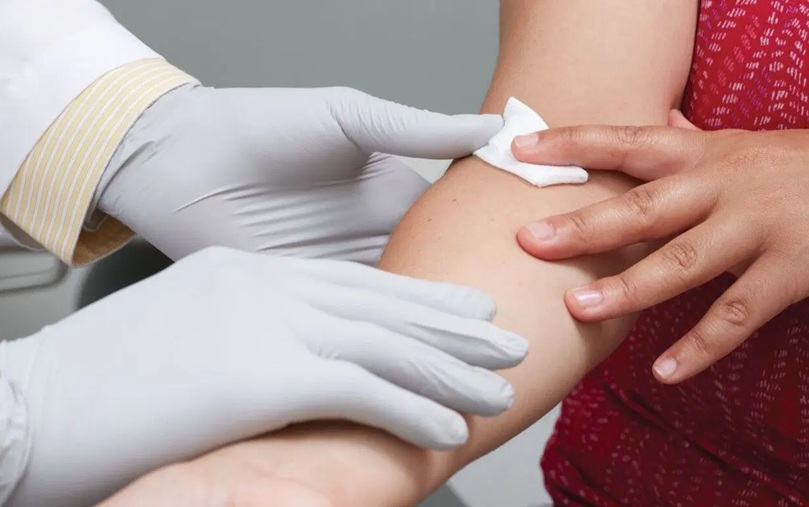
Machine learning models will analyze routinely collected CBC parameters alongside relevant clinical information such as ferritin levels. These inputs will be used to generate an integrated maternal health score that flags early risk of pre-eclampsia and identifies anemia. Because CBC tests are already part of standard prenatal care worldwide, the approach does not require additional testing or new laboratory infrastructure.
The project will develop and validate algorithms in collaboration with partners in the Global South, ensuring suitability for low-resource healthcare environments. Pre-eclampsia alone causes more than 76,000 maternal deaths and over 500,000 perinatal deaths annually, with the highest burden in low- and middle-income countries. Anemia affects hundreds of millions of women and children globally and is both preventable and treatable if detected early.
If successful, the AI-derived maternal health score could support frontline clinicians in identifying high-risk pregnancies earlier and prioritizing timely interventions. The approach could help shift care from reacting to severe symptoms toward proactive risk management using existing data. Siemens plans to publish results on algorithm validity and real-world clinical performance at the conclusion of the project.
“Healthcare AI will greatly contribute to predicting outcomes rather than just reacting to symptoms,” said Siemens Healthineers CEO Bernd Montag. “I am excited about this effort to make early diagnosis not just a possibility, but a scalable standard for women and children everywhere.”
Related Links:
Siemens Healthineers
Gates Foundation