AI Algorithm Effectively Distinguishes Alpha Thalassemia Subtypes
Posted on 16 Jan 2026
Alpha thalassemia affects millions of people worldwide and is especially common in regions such as Southeast Asia, where carrier rates can reach extremely high levels. While the condition can have significant quality-of-life and economic consequences, accurate screening remains challenging, particularly when distinguishing between different genetic subtypes. Existing approaches have focused mainly on other blood disorders or broader forms of thalassemia, leaving important gaps in population-level screening. Now, a new study shows that artificial intelligence (AI) can accurately differentiate between alpha thalassemia subtypes using routine blood test data.
A multidisciplinary research team led by Ahvaz Jundishapur University of Medical Sciences (Ahvaz, Iran) developed and evaluated five different machine learning algorithms designed to screen for alpha-plus and alpha-zero thalassemia. These subtypes are associated with single-gene and two-gene deletions, respectively, and carry different clinical and reproductive risks. The models were trained using commonly collected hematologic parameters, including red blood cell indices, platelet counts, and white blood cell counts.
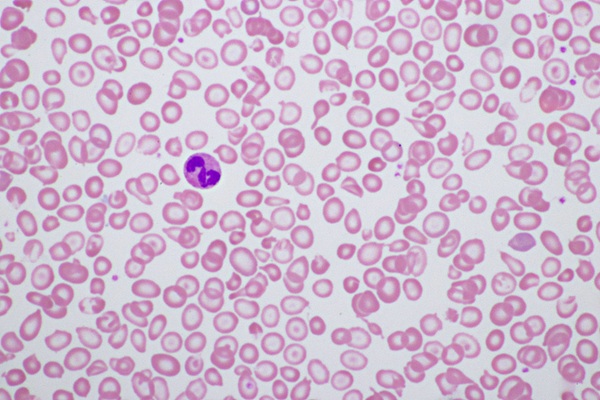
Rather than relying on specialized genetic testing, the algorithms analyze patterns within standard laboratory values that are already part of routine blood work. The goal was to identify which machine learning approach best predicts thalassemia subtype and which blood parameters contribute most strongly to accurate classification. This strategy is intended to support large-scale, cost-effective screening in regions where advanced diagnostics may be limited.
The models were tested using data from 956 patients with alpha thalassemia, including both alpha-plus and alpha-zero cases. Among the five approaches, a stacking ensemble model achieved the highest screening accuracy at 93.2%, while the lowest-performing algorithm still reached 90.6% accuracy. The findings were reported in a peer-reviewed study and demonstrate consistent performance across different machine learning techniques.
Further analysis showed that red blood cell indices such as mean hemoglobin content, cell volume, and hemoglobin concentration played a key role in distinguishing between subtypes. Platelet and white blood cell counts also showed moderate associations. These results suggest that AI-driven screening could support population-level prevention strategies, improve genetic counseling, and enable more personalized follow-up. Future work may focus on refining these models and validating them in broader and more diverse populations.
“These findings suggest that machine learning, particularly ensemble methods, can enhance the detection of alpha-thalassemia carriers,” the study authors wrote in their report. “The development of models based on both data-driven and clinical features provides a flexible framework for screening and could support more personalized approaches in future research.”
Related Links:
Ahvaz Jundishapur University of Medical Sciences