Blood Test Could Predict Death Risk in World’s Most Common Inherited Heart Disease
Posted on 06 Jan 2026
Hypertrophic cardiomyopathy (HCM) is the world’s most common inherited heart condition and affects millions of people globally. While some patients live with few or no symptoms, others develop heart failure, dangerous rhythm disturbances, or sudden cardiac arrest. Clinicians currently lack reliable tools to predict which genetically affected patients are most at risk of these life-threatening outcomes. Now, a blood test could predict who is most at risk from this common inherited heart condition
A team of scientists from Harvard Medical School (Boston, MA, USA) and University of Oxford (Oxford, UK) is developing a blood test that could forecast risk for people living with HCM. In a landmark study, the team investigated whether a blood-based biomarker could help predict disease severity in individuals with HCM. Their work focused on N-terminal pro-B-type natriuretic peptide (NT-pro-BNP), a protein released by the heart during normal pumping.
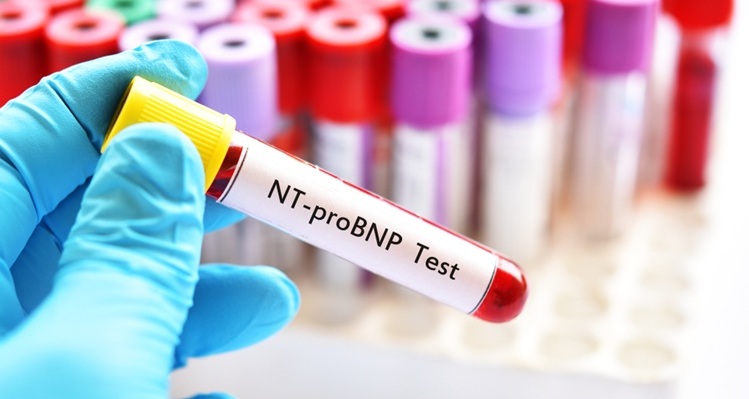
The researchers measured NT-pro-BNP levels in blood samples from 700 patients diagnosed with HCM. These measurements were compared with detailed assessments of heart structure, blood flow, and tissue scarring. The investigators then analyzed how biomarker levels correlated with known indicators of disease progression and clinical risk.
Patients with the highest NT-pro-BNP levels showed poorer blood flow, increased scar tissue, and structural changes linked to atrial fibrillation and heart failure. Elevated levels indicated that the heart muscle was under greater strain and working harder to pump blood. The findings suggest NT-pro-BNP can serve as a predictor of future complications in HCM.
A simple blood test measuring NT-pro-BNP could transform care by allowing doctors to identify high-risk patients earlier. Those at greatest risk could be monitored more closely or receive potentially life-saving treatments, while lower-risk patients could avoid unnecessary interventions. The researchers believe that continued studies of blood biomarkers could further improve personalized risk assessment and treatment planning for patients with HCM.
Related Links:
Harvard Medical School
University of Oxford