Diagnostic Chip Monitors Chemotherapy Effectiveness for Brain Cancer
Posted on 26 Dec 2025
Glioblastoma is one of the most aggressive and fatal brain cancers, with most patients surviving less than two years after diagnosis. Treatment is particularly challenging because the tumor infiltrates brain tissue and most chemotherapy drugs cannot cross the blood–brain barrier, leaving residual cancer cells behind after surgery. Even when advanced techniques are used to deliver drugs into the brain, doctors often must wait months to determine whether a therapy is effective. Now, new research shows that blood samples can reveal whether chemotherapy is working in glioblastoma after ultrasound-assisted opening of the blood–brain barrier.
The work, led by Northwestern Medicine (Chicago, IL, USA) in collaboration with the University of Michigan (Ann Arbor, MI, USA), builds on an earlier clinical trial in which a therapeutic ultrasound device temporarily opened the blood–brain barrier, allowing the chemotherapy drug paclitaxel to reach glioblastoma tumors. The new approach examines what happens next, specifically whether tumor-derived material released into the bloodstream can be used to monitor treatment response.
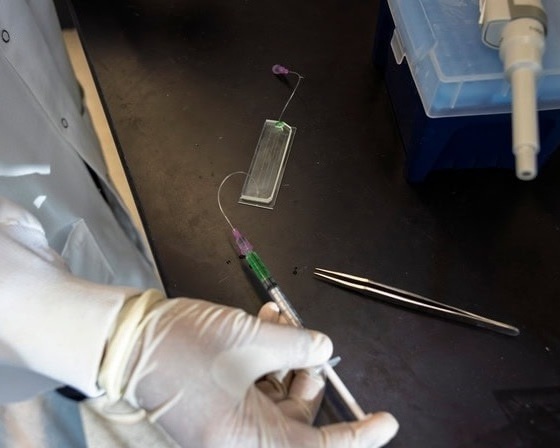
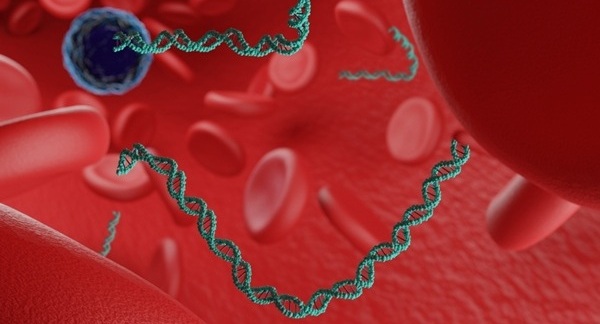
The team analyzed tiny particles known as extracellular vesicles and particles (EVPs), which are released by cancer cells and carry tumor-specific genetic material and proteins. By using a microfluidic diagnostic platform called the GlioExoChip, researchers selectively isolated EVPs originating from glioblastoma cells based on a lipid signature found on their surface. This turns routine blood samples into a form of liquid biopsy capable of tracking tumor behavior over time.
The researchers demonstrated that opening the blood–brain barrier not only allows chemotherapy to enter the brain but also permits tumor-derived EVPs to leak into the bloodstream. Blood samples taken before and after each chemotherapy session showed measurable changes in EVP levels that correlated with treatment response. The findings, published in Nature Communications, show that when the ratio of post-treatment to pre-treatment EVPs increased over successive sessions, chemotherapy was effective; when the ratio remained flat or declined, treatment was unsuccessful.
This blood-based monitoring approach could allow clinicians to determine after a single chemotherapy dose whether a treatment is working, rather than waiting months for imaging results that can be misleading. It may help doctors decide whether to continue, change, or stop chemotherapy earlier, sparing patients from unnecessary side effects. The researchers plan to validate the method with additional glioblastoma therapies and explore whether EVP-based liquid biopsies can be applied to other cancers treated with blood–brain barrier–opening techniques.
"Instead of waiting months, after one dose we can know if a given treatment is working," said Northwestern Medicine neurosurgeon Adam Sonaband, co-corresponding author of the study. "That is huge for glioblastoma patients. It could potentially prevent patients from getting prolonged treatments that are ineffective, thus also avoiding unnecessary side effects."
Related Links:
Northwestern Medicine
University of Michigan