MRD Tests Could Predict Survival in Leukemia Patients
Posted on 17 Dec 2025
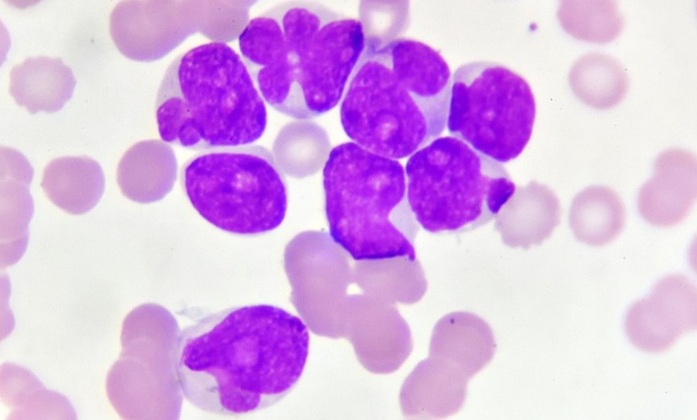
Acute myeloid leukemia is an aggressive blood cancer that disrupts normal blood cell production and often relapses even after intensive treatment. Clinicians currently lack early, reliable markers to predict long-term survival, meaning treatment decisions and drug approvals often rely on outcomes that take years to measure. Sensitive testing that detects very small numbers of remaining leukemia cells after therapy was shown to strongly predict survival and mirror treatment benefit well before traditional endpoints.
The research was led by the HARMONY Alliance, a large public–private collaboration integrating clinical trial data across European hematology groups. Investigators examined the role of measurable residual disease, or MRD, which refers to tiny populations of leukemia cells that persist after treatment and are detectable only with highly sensitive laboratory methods.
The study pooled patient-level data from seven prospective clinical trials conducted by four European cooperative groups. MRD status was assessed after two cycles of intensive chemotherapy using established molecular and flow cytometry techniques and compared against long-term survival outcomes.
Data from 1,858 patients showed that individuals who tested MRD-positive after treatment were less than half as likely to survive as those who were MRD-negative. This association remained consistent regardless of treatment arm or testing method, demonstrating strong prognostic value at the individual level.
At the clinical trial level, improvements in MRD closely tracked improvements in overall survival, particularly in patients who did not undergo hematopoietic cell transplantation. Although the correlation was strong, the limited number of randomized trials meant statistical confidence did not fully meet predefined thresholds for regulatory surrogacy.
The findings, published in the journal Blood, suggest MRD could be used to refine treatment response assessment and personalize post-remission care for patients with acute myeloid leukemia. Regulators could also consider MRD as an intermediate endpoint, allowing provisional drug approvals while survival data continue to mature.
Researchers have noted that transplantation can modify the relationship between MRD and survival, highlighting the need to interpret results in a clinical context. Future work will focus on standardizing MRD testing and expanding trial datasets to strengthen its role in both patient care and drug development.
“The quality of MRD testing really depends on where and how it’s done,” said Jesse Tettero, MD, PhD, who led the research. “Centralized, experienced laboratories deliver accurate and reproducible results, which are essential if MRD is to be used for clinical or regulatory decisions. I think the field has really developed and matured, so people are becoming more interested in using MRD.”
Related Links:
HARMONY Alliance