Portable Device Being Developed to Detect Zika at POC
By LabMedica International staff writers
Posted on 10 Mar 2017
A handheld diagnostic device may enable detection of Zika virus accurately, rapidly, and inexpensively in many settings, even at airports as it requires only a saliva sample.Posted on 10 Mar 2017
Researchers from Florida Atlantic University have been developing a diagnostic tool to reduce the impact of the Zika outbreak until a vaccine is developed. “Most of the Zika cases in the United States and especially in Florida are travel related,” said Waseem Asghar, PhD, lead investigator and assistant professor at FAU, “We are working to develop a tool that can be used without expensive laboratory equipment and skilled technicians […]. For about USD 2 and within 15 minutes, we hope to accurately determine whether or not an individual has an active infection.”
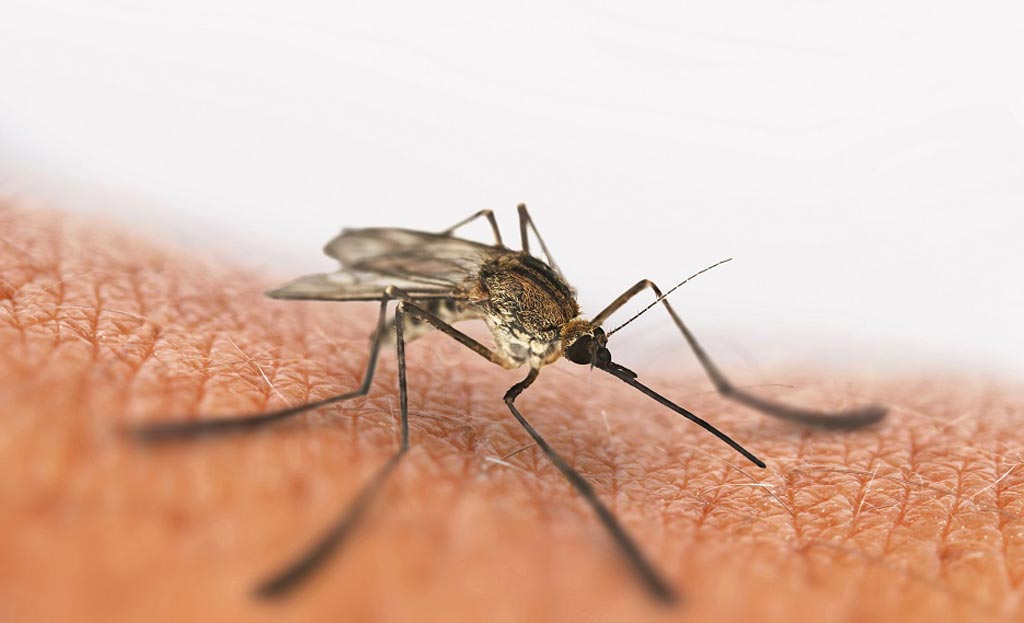
Image: The Zika virus is transmitted to humans through the bite of an infected Aedes mosquito, such as A. aegypti (Image courtesy of Florida Atlantic University).
Currently, patients are often diagnosed by testing blood samples for antibodies against Zika virus, however, due to cross-reaction problems the antibody test does not discriminate accurately between the Zika virus and other flaviviruses such as Dengue, West Nile virus, and Chikungunya. The more accurate method of PCR detection of viral DNA is costly, requires skilled laboratory personnel, and can take hours to yield results.
This new device is based on technology that Prof. Asghar and colleagues initially developed to detect HIV. It uses inexpensive paper- or plastic-based materials, a cassette-sized container holding up to 12 samples at a time, and a receptacle about the size of a tablet. These materials are easy to make and use, and can easily and safely be disposed of by burning, providing an appealing strategy developing, low- and middle-income countries where there is limited laboratory infrastructure.
They are currently adapting their device to diagnose the Zika virus.




Platinum Member

Automated Coagulation Analyzer
Hemolumi H6

Automated Urinalysis Solution
UN-9000
.jpg)
Gold Member

Clinical Chemistry Assay
Sorbitol Dehydrogenase (SDH)