Oxycodone Assay Added to Drugs of Abuse Test Menu
By LabMedica International staff writers
Posted on 29 Apr 2009
A drug of abuse test menu has been expanded to include an oxycodone enzyme immunoassay. The assay is for the qualitative and semiquantitative determination of oxycodone and its metabolite, oxymorphone, in human urine.Posted on 29 Apr 2009
Reagents and calibrators for the oxycodone assay are liquid and ready-to-use, which eliminates the need for mixing, hydrating, or prediluting reagents before testing.
Drugs of Abuse Test (DAT) assays are available through Beckman Coulter (Nyon, Switzerland) They are specifically engineered, formulated, and packaged to provide the critical elements of effective DAT analysis--speed, accuracy, ease-of-use, and economy. The assays, when used in conjunction with Synchron and UniCel clinical chemistry systems, provide timely, reliable and efficient DAT results.
Oxycodone is a semisynthetic opioid prescribed for pain management in patients with moderate to severe pain. This narcotic pain reliever is similar to codeine and morphine in its analgesic properties, but is more potent than morphine and has greater potential for dependence. It is supplied as OxyContin (Oxycodone HCI), or in combination with aspirin (Percodan) or acetaminophen (Percocet). The pills are often crushed into a powder and inhaled for a faster effect, which can have a fatal outcome.
Related Links:
Beckman Coulter




Platinum Member

Automated Coagulation Analyzer
Hemolumi H6
Gold Member

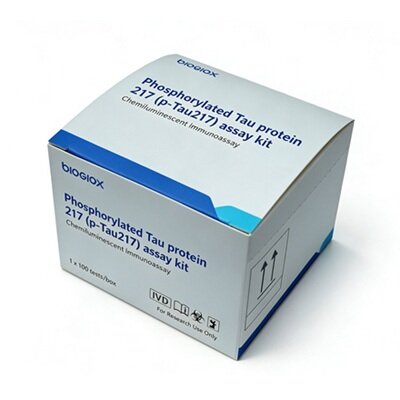
Blood-Based Protein Biomarker Solution for Alzheimer's Disease
BG-DTi2000.
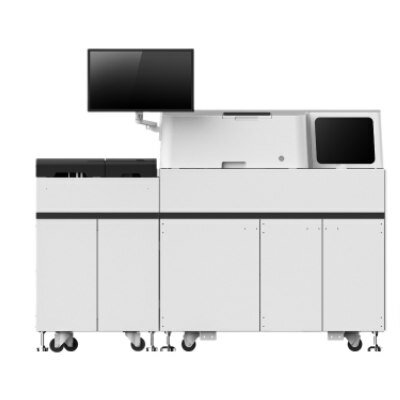

Automatic CLIA Analyzer
Shine i6000
New

Microbiology Laboratory Automation Solution
BD Kiestra™ ReadA+BarcodA