Single-Cell Analysis Mapping Links Inflammation Response to Acute Myeloid Leukemia
Posted on 24 Jun 2026
Acute inflammation and infection demand rapid production of innate immune cells, a process known as emergency myelopoiesis. When dysregulated, this response can drive chronic inflammation, accelerate aging, and contribute to blood cancers. Understanding how the program is activated and sustained has been a longstanding gap with diagnostic and therapeutic implications. New findings demonstrate a single molecular “switch” that initiates emergency myelopoiesis and links it to acute myeloid leukemia.
Columbia University Irving Medical Center investigators identified a unifying activation mechanism for emergency myelopoiesis and introduced two computational resources, HemaScribe and HemaScape, developed to decode the hematopoietic response at single-cell resolution. The work reveals a common pathway—functioning as an “on” switch—that enables rapid myeloid cell production across diverse physiological insults. The discovery suggests that targeting this shared trigger could help address the overactive state that accelerates aging and fuels malignancy.
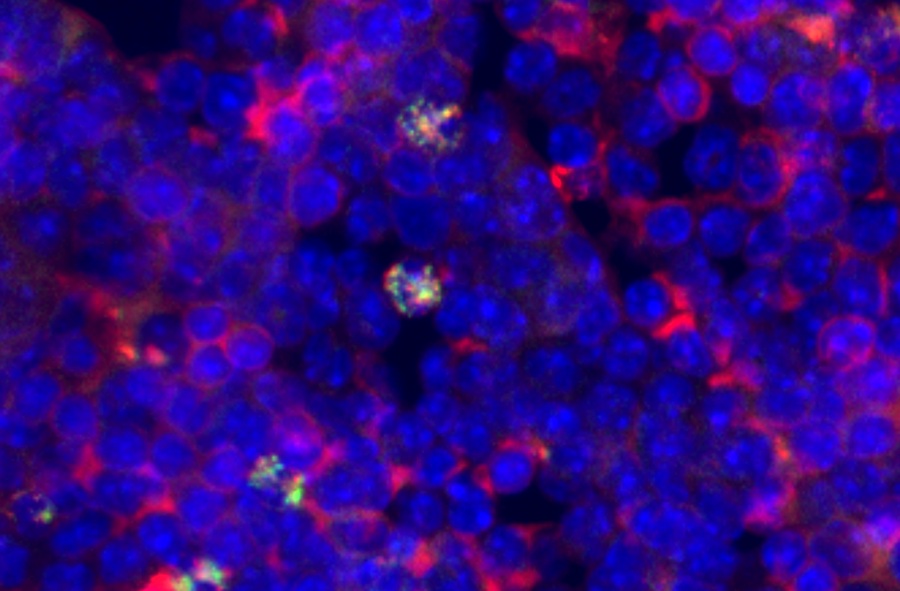
The team leveraged single-cell RNA sequencing to capture transcriptional states across tens of thousands of hematopoietic cells and paired these data with new analytics. HemaScribe provides a unified transcript-based classification to standardize cell identities, while HemaScape maps predicted developmental relationships from stem cells to mature lineages. Using these tools, the investigators visualized how emergency activation remodels hematopoiesis and pinpointed the single activation switch.
In translational analyses, cells from many patients with acute myeloid leukemia (AML) displayed a transcriptional signature indicating the emergency program was already engaged, and patients harboring this signature had worse prognosis. The study is published in Cell Stem Cell on June 18.
The authors note that HemaScribe and HemaScape are freely available to the research community and are already being used to accelerate related projects. With these resources, investigators anticipate applying artificial intelligence to predict drug targets and uncover additional biology embedded in large single-cell datasets. The group also plans to adapt the tools to study blood aging and the restoration of normal immune cell output.
Related Links
Columbia University Irving Medical Center