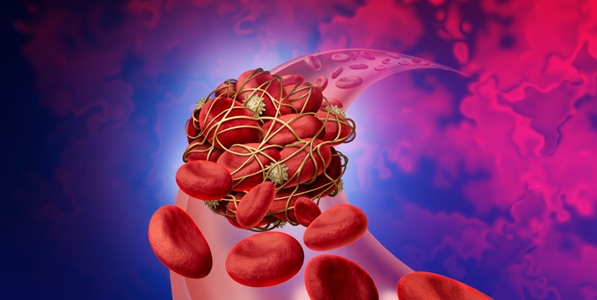
Safety of Plasma Products Increased by Duplex Virus Assay
By LabMedica International staff writers
Posted on 07 Oct 2010
A single in vitro diagnostic (IVD) assay offers complete coverage of all human genotypes of Human parvovirus B19 (B19V) and Hepatitis A virus (HAV). It will increase the safety of plasma and plasma products.Posted on 07 Oct 2010
The in vitro nucleic acid amplification technology (NAT) test simultaneously quantifies B19V genotypes 1, 2, and 3 DNA and detects HAV genotypes I, II, and III RNA in individual samples or pooled plasma samples of human origin. It uses multidye, real-time polymerase chain reaction (RT-PCR) technology, which allows for the simultaneous detection and identification of individual viral targets without the use of complementary discriminatory tests.
Roche Molecular Diagnostics (Pleasanton, CA, USA) announced that the new assay, called the cobas TaqScreen DPX test, is available for use on the cobas s 201 system and is CE marked. The test will allow an increase plasma processing efficiency and may reduce the number of units that are discarded. The highly precise, quantitative values obtained for B19V DNA and the test's high sensitivity for HAV RNA meet current regulatory requirements for plasma intended for further manufacture.
Human plasma is fractionated into components, such as immunoglobulins, albumin, and clotting factors, which have many therapeutic uses. These include treatment of chronic and hereditary diseases and disorders such as hemophilia and primary immunodeficiency diseases. Plasma is also used to treat patients who have suffered severe burns or trauma, and during major surgery.
There have been reports of transmission of B19V through use of plasma and plasma products, particularly coagulation factors. Transmission of HAV has been reported through blood and plasma products. Traditional methods do not easily inactivate these viruses and therefore NAT detection is an important step in ensuring their safety.
"Roche is committed to providing the broadest coverage and most efficient screening tests to ensure the highest safety of blood and plasma products," said Paul Brown, Ph.D., president and CEO of Roche Molecular Diagnostics. "This new test is one more step toward that goal and complements our current cobas TaqScreen tests for the detection of HIV [human immunodeficiency virus], HCV, [Hepatitis C virus] HBV [Hepatitis B virus], and WNV [West Nile virus]."
Related Links:
Roche Molecular Diagnostics




Platinum Member

Automated Coagulation Analyzer
Hemolumi H6

Microbiology Laboratory Automation Solution
BD Kiestra™ ReadA+BarcodA

Gold Member

Platelet Function Analyzer
PL-12