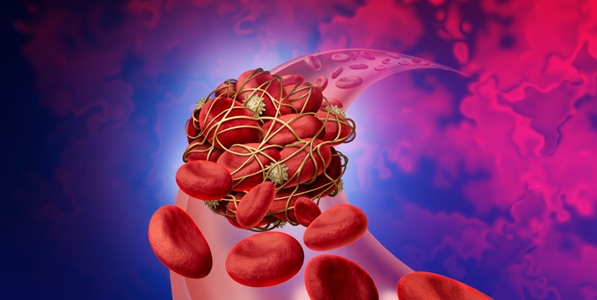
Filtering Donor Blood Reduces Complications in the Recipient
By LabMedica International staff writers
Posted on 06 Jul 2010
When foreign white cells were filtered from donor blood, there were dramatically fewer cardiopulmonary complications in recipients.Posted on 06 Jul 2010
An observational study was conducted during the seven years before and after 2000, when the University of Rochester Medical Center (URMC; Rochester, NY, USA) introduced universal leukoreduction, a process that filters the white cells from blood to be used for transfusions. Investigators looked at the number of reports of transfusion reactions during the 14-year period, and divided them by the total number of blood components transfused (778, 559).
Rates of acute, transfusion-related lung injury dropped 83 % in the years after filtering took place, and transfusion-associated circulatory overload declined 49 %, when compared to the rates prior to the year 2000. Both conditions are rare, but are among the most common causes of death following a transfusion.
"These data are very exciting because we described two unexpected and unexplained associations between adverse reactions and leukoreduction," said Neil Blumberg, M.D. who led the study. "However, our observations do not prove cause and effect, and therefore require further investigation before we can say with certainty that leukoreduction is responsible for so many fewer cardiopulmonary complications."
The [U.S.] Centers for Disease Control and Prevention (Atlanta, GA, USA) is introducing a new blood surveillance system to track severe transfusion reactions, which should provide more detailed information to support or refute the URMC study.
The study appears in the June 18, 2010, online edition of the journal Transfusion.
Work done at URMC also has supported keeping transfusions to an absolute minimum. Dr. Blumberg's evidence-based stance on the judicious use of transfusions and safer techniques has contributed greatly to the national and international dialogue on reducing in-hospital infections rates and controlling costs.
Related Links:
University of Rochester Medical Center
U.S. Centers for Disease Control and Prevention




Platinum Member

Automated Coagulation Analyzer
Hemolumi H6
Gold Member

Platelet Function Analyzer
PL-12
Gold Member

Quantitative POC Immunoassay Analyzer
EASY READER+