Genetic Mutation Behind Aggressive Adult Leukemia Offers Treatment Clues
Posted on 24 Mar 2026
Adult acute lymphoblastic leukemia (ALL) remains difficult to cure, with frequent relapse and limited durability of response to standard regimens. Resistance can emerge as malignant cells accumulate genetic damage and evade immune-directed therapies. Clinicians need molecular markers that clarify prognosis and guide the timing of intensive interventions. New research highlights how TP53 mutations drive aggressive adult ALL biology and may inform therapeutic decision-making.
Investigators at the University of Chicago Medicine characterized TP53‑mutant adult ALL using clinical and molecular analyses to clarify why outcomes are poor and relapse is common. The work explains that TP53, a key regulator of cell-cycle arrest and apoptosis, normally halts cell replication after DNA injury or triggers programmed cell death. When mutated, these safeguards fail, enabling unchecked proliferation and survival despite accumulating genomic damage.
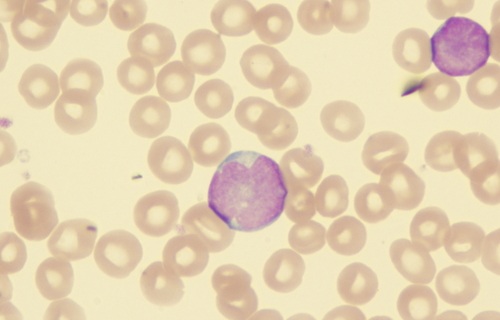
The study analyzed data from more than 800 adults with ALL treated across eight institutions and found that about one in ten carried TP53 mutations. These patients were more likely to relapse and had lower long‑term survival than those without the mutation. Immunotherapies initially induced responses, but many relapsed leukemias no longer expressed the surface markers targeted by these agents, indicating immune escape. Bone marrow transplantation soon after initial remission was associated with an average survival extension of about one year compared with no transplant, although relapse remained common.
The authors highlight the need to integrate genomic risk with treatment timing and immunotherapy selection to individualize care for adults with ALL. The study, “Clinical and molecular characterization of TP53‑mutant acute lymphoblastic leukemia in adults,” was published in Blood Cancer Journal. Ongoing efforts will follow TP53‑mutant leukemia longitudinally, combining advanced DNA sequencing, patient samples, and computational modeling to trace clonal evolution and reveal potential therapeutic vulnerabilities.
“Right now, we tend to treat adult ALL patients similarly, regardless of their genetics. But our study shows that patients with TP53 mutations need to be treated differently. We need to use immunotherapies early and then move quickly to transplant when patients reach remission. We think transplanting up front, based on genetic risk, could improve long-term survival for these patients,” said Caner Saygin, Assistant Professor at University of Chicago Medicine.
Related Links
University of Chicago Medicine



.jpg)