Alzheimer’s Blood Test Shows Accuracy Comparable to Cerebrospinal Fluid Testing
Posted on 23 Nov 2026
Alzheimer’s disease affects one in five women and one in 10 men during their lifetime. Diagnostic tools in routine health care have remained limited, despite access to advanced techniques in specialized memory clinics. Primary care settings need simpler and faster ways to identify patients who require further evaluation. New findings demonstrate that an improved blood test can detect Alzheimer’s disease pathology with accuracy similar to established cerebrospinal fluid testing.
Researchers at Lund University in Sweden evaluated improved blood tests designed to support the diagnosis of Alzheimer’s disease in patients with cognitive symptoms. The tests classify results as positive, negative, or inconclusive for Alzheimer’s-related pathology. Patients receiving inconclusive results may require further evaluation using positron emission tomography (PET) imaging or cerebrospinal fluid testing to establish a more reliable diagnosis.
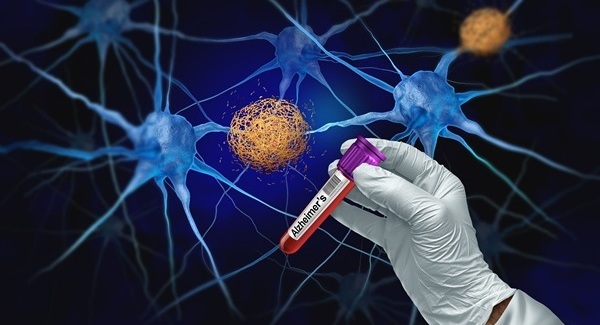
The tests measure plasma phosphorylated tau 217 (p-tau217), a biomarker associated with Alzheimer’s disease. An approved blood test in the United States also measures p-tau217 alongside amyloid-beta 42 (Aβ42), a protein associated with the formation of amyloid plaques in the brain. However, the Lund University researchers found that combining these biomarkers does not necessarily improve diagnostic performance compared with measuring p-tau217 alone, consistent with their earlier findings.
The study used PET imaging as the reference standard to confirm the presence of Alzheimer’s-related brain changes. Researchers applied predefined, regulator-approved cutoff values to classify test results as positive, negative, or inconclusive. Using these thresholds, they compared the performance of blood and cerebrospinal fluid tests across three patient groups: an American research cohort, a Swedish memory clinic cohort, and a Swedish primary care cohort. The tests demonstrated comparable diagnostic performance across all three settings.
The improved blood test detected Alzheimer’s disease pathology with at least 90% accuracy and performed similarly to established cerebrospinal fluid testing. The findings were published in Nature Aging in a study comparing plasma p-tau217 and plasma p-tau217/Aβ42 with cerebrospinal fluid biomarkers for assessing Alzheimer’s disease pathology. The source notes that the blood test is currently recommended only in memory clinics and other specialist health care units, while work continues on possible implementation in primary care.
"Previous studies have used cerebrospinal fluid tests as a reference standard. Based on those articles, there are many clinicians that therefore believe the new blood tests are good, but probably not as good as the cerebrospinal fluid tests we already use. However, the findings of this new study contradict this and suggest that a blood test is just as accurate as cerebrospinal fluid testing," says Sebastian Palmqvist, associate professor and senior lecturer in neurology at Lund University and senior consultant at the Memory Clinic, Skåne University Hospital.
Related Links
Lund University