Serum Protein Levels Linked to Liver Cancer Treatment Outcomes
Posted on 23 Nov 2026
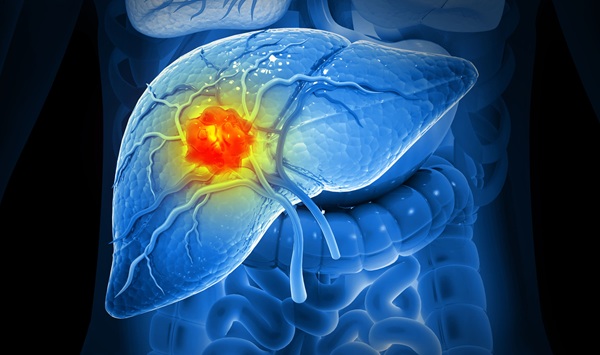
Liver cancer remains a major cause of cancer mortality worldwide, with hepatocellular carcinoma (HCC) accounting for approximately 90% of cases. In unresectable HCC, tumors cannot be safely removed surgically, making systemic therapy an important treatment option. However, reliable biomarkers for predicting survival and response to atezolizumab plus bevacizumab (Atezo/Bev) have not yet been established. New findings now suggest that serum full-length glypican-3 may help stratify outcomes in patients with unresectable HCC.
Researchers at Osaka Metropolitan University evaluated serum full-length glypican-3 (FL-GPC3) concentration as a potential noninvasive biomarker in patients with unresectable HCC receiving atezolizumab plus bevacizumab (Atezo/Bev) therapy. The study focused on baseline serum FL-GPC3 levels and their association with treatment effectiveness and survival, including disease control, progression-free survival, and overall survival.
The team analyzed data from 102 patients treated with Atezo/Bev for unresectable HCC at the institution between 2020 and 2025. Investigators compared baseline serum FL-GPC3 concentrations with subsequent treatment outcomes. The study was published in Scientific Reports.
Baseline serum FL-GPC3 concentrations were lower in patients who achieved disease control than in those who did not, at 10.8 versus 26.7 pg/mL. Patients in the FL-GPC3-high group had shorter median progression-free survival than those in the FL-GPC3-low group, at 3.0 versus 5.6 months. Median overall survival was also shorter in the FL-GPC3-high group, at 13.7 versus 25.8 months.
The findings show that baseline serum FL-GPC3 concentration was associated with treatment outcomes in patients with unresectable HCC receiving Atezo/Bev. These results support its potential as a noninvasive biomarker for risk stratification, although validation in an independent external cohort is still required before clinical application can be considered.
Related Links
Osaka Metropolitan University