AI-Based Blood Test Diagnose Multiple Brain Disorders from Blood Sample
Posted on 02 Apr 2026
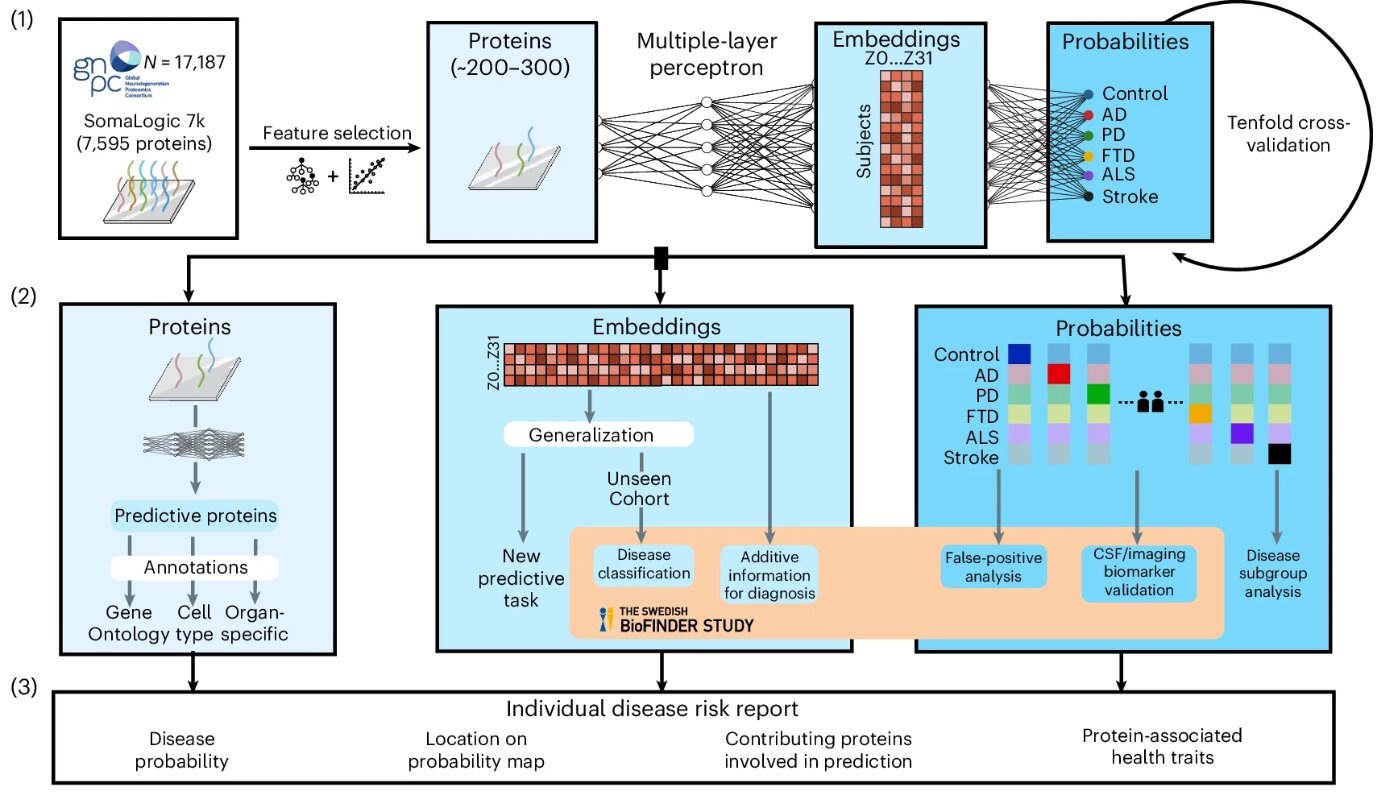
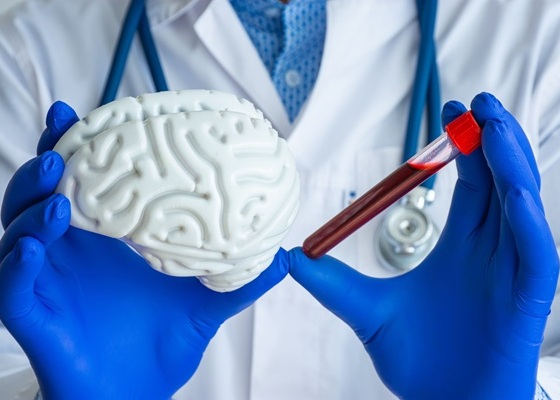
Investigators at Lund University, working together with the Swedish BioFINDER study and the Global Neurodegenerative Proteomics Consortium (GNPC), developed ProtAIDe-Dx, an artificial intelligence (AI) model that analyzes protein measurements from blood. Using advanced statistical learning and a joint-learning framework, the model identifies a set of proteins that forms a general signature of neurodegeneration. The learned signature is then applied to classify specific disorders.
The model was built from protein data on more than 17,000 patients and control participants aggregated across multiple GNPC datasets, described as the world’s largest proteomics resource for neurodegenerative diseases. Findings were validated across several independent datasets. The study was published in Nature Medicine on March 31, 2026.
According to the research team, the AI model outperformed earlier approaches and diagnosed five dementia-related conditions from a single blood sample: Alzheimer’s disease, Parkinson’s disease, amyotrophic lateral sclerosis (ALS), frontotemporal dementia, and prior stroke. The investigators also reported that the blood-based protein profile predicted cognitive decline better than the clinical diagnosis and suggested biologically distinct subtypes among individuals sharing the same clinical label. Many people clinically diagnosed with Alzheimer’s disease showed a proteomic pattern more consistent with other brain disorders.
The researchers noted that the implicated proteins may guide follow-up studies into disease-driving processes beyond diagnostic use. Next steps include expanding the proteomic marker set with mass spectrometry to resolve patterns unique to each disease.
“We hope to inch closer toward a blood test that can make a reliable diagnosis across disorders without aid from other clinical instruments,” said Jacob Vogel, assistant professor at Lund University.
Related Links
Lund University