Blood Test Detects Molecular Signals of Early Liver Cancer Progression
Posted on 07 Oct 2026
Liver diseases can progress along a spectrum that begins with inflammation from viral and non-viral causes such as hepatitis and metabolic dysfunction-associated steatohepatitis. Over decades, dormant inflammation can lead to fibrosis, later-stage disease, cirrhosis, and increased risk for hepatocellular carcinoma (HCC), requiring surveillance with ultrasound imaging every six months. A newly reported blood test now monitors molecular signals associated with progression to very early-stage HCC.
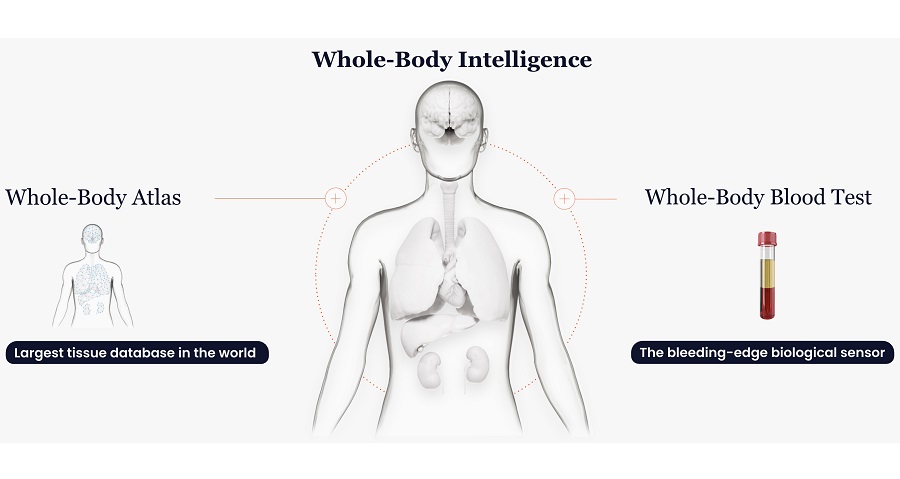
Curve Biosciences’ Whole-Body Blood Test is powered by the company’s Whole-Body Intelligence artificial intelligence models. The test monitors liver diseases for signals of progression from DNA methylation and protein biomarkers. In a clinical study of 1,482 patients, it was evaluated in patients eligible for HCC surveillance, with additional performance data scheduled for two presentations at the American Association for the Study of Liver Diseases The Liver Meeting 2026 in Denver.
The reported performance included 77.8% sensitivity for very early-stage HCC, defined as lesions under 2 cm, while maintaining 81.5% specificity. The test also showed 82.6% sensitivity for early-stage HCC under Milan criteria. Among controls with high false-positive test results and follow-up imaging, 36% were diagnosed with HCC within two to eight months.
Additional data will be presented during the November 5-9, 2026, meeting. One presentation is titled “A Plasma DNA Methylation Biomarker Panel from the Whole-Body Atlas™ Enables Accurate Detection of Early-Stage HCC.” The data are also being prepared for submission to a peer-reviewed journal.
“Liver disease monitoring, and in particular HCC surveillance, has been constrained by our capability to reliably detect disease when it is potentially curable. These results show the potential of our Whole-Body Intelligence approach to find disease-specific signals against the enormous biological complexity of the human body. By translating those insights to a simple blood test, we believe we can detect and monitor liver diseases earlier and give more patients the opportunity to benefit from potentially curative treatment,” said Amit Singal, M.D., Chief Medical Officer, Curve Biosciences.
Related Links
Curve Biosciences