






Collaboration to Combat Brain Inflammation
By Biotechdaily staff writers
Posted on 17 Mar 2003
A research collaboration to develop compounds to combat brain inflammation has been announced by Sigma-Tau Industrie Farmaceutiche Riunite SpA (Rome, Italy) and Thuris (Irvine, CA, USA). The new agreement broadens an ongoing research alliance by including living animals. Posted on 17 Mar 2003
Further routes of inquiry include the production of combination therapeutics for use across a host of brain disorders characterized by inflammation. The RapidAging technology of Thuris is a system for testing potential anti-aging and Alzheimer's drugs directly against primary pathologies, including neurofibrillary tangles, amyloid toxicity, inflammatory reactions, and microglial activations. The system creates these pathologies in only three to six days, enabling rapid precision testing of drug candidates against any of these targets. Sigma-Tau is one of the leading pharmaceutical groups in Italy.
"The original collaboration produced significant results in our in vitro models of brain inflammation,” noted Keith B. Hoffman, Ph.D., vice president of Thuris. "These successes lead us to conclude that there is a strong likelihood that we may be able to block brain inflammation in vivo. We are pleased that Sigma-Tau wants to move this project into live animals.”




Platinum Member

Automated Coagulation Analyzer
Hemolumi H6
Gold Member

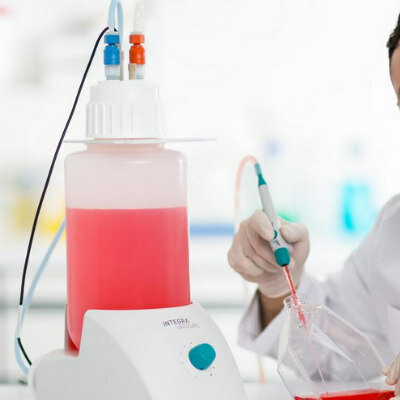
Aspiration System
VACUSAFE
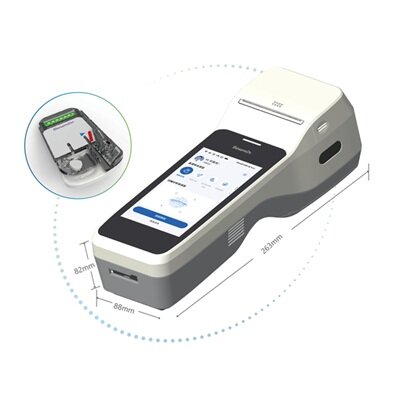

Portable POCT Blood Gas Analyzer
BD100
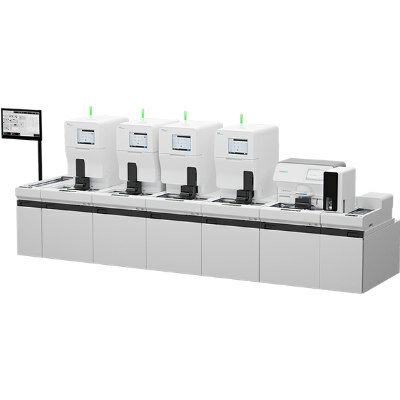
Automated Urinalysis Solution
UN-9000


