AI Tool Speeds Brain Tumor Classification from Routine Histology Slides
Posted on 11 Jun 2026
Accurate classification of brain and spinal cord tumors increasingly depends on molecular profiling alongside histology, but access to such testing remains limited and results can take about two weeks. DNA methylation analysis is considered the reference standard for many central nervous system diagnoses, yet it requires specialized laboratories and sufficient tumor material. These constraints can delay definitive characterization and complicate downstream testing decisions. A new study shows that an artificial intelligence system can deliver molecularly informed tumor classifications from routine slides within minutes.
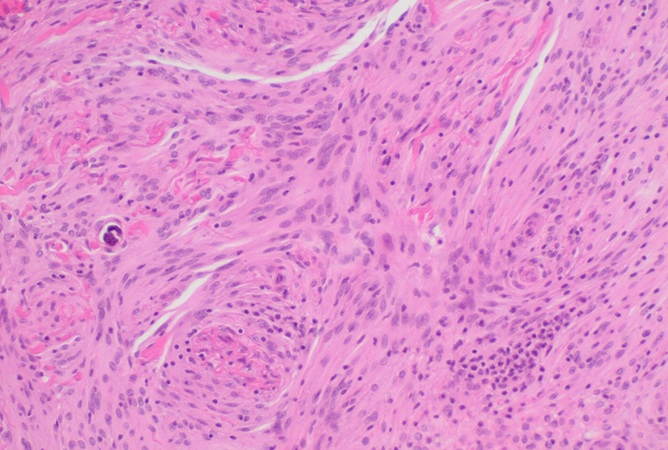
Developed at the German Cancer Research Center (DKFZ) with Heidelberg University and Heidelberg University Hospital, the Hetairos AI system classifies 102 molecular subtypes of central nervous system (CNS) tumors from digitized, routinely stained histology sections. The model outputs a diagnosis together with a confidence estimate and highlights slide regions that most influenced its decision, providing pathologists with interpretable cues for follow‑up testing. According to the study, the approach is designed to complement, not replace, established molecular assays.
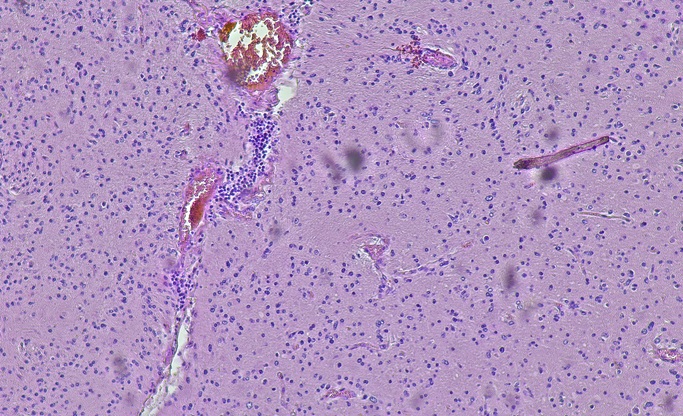
Hetairos was trained and validated on more than 11,000 digitized tissue sections from 9,606 patients, with reference diagnoses primarily determined by DNA methylation profiling. Data originated from 11 medical centers across four continents, and the 102 subtypes span nearly the entire current World Health Organization CNS tumor classification. In approximately 50% to 70% of cases the system issued high‑certainty predictions, which were correct about 87% to 88% of the time.
In a direct comparison, five experienced neuropathologists from international centers reviewed 210 cases using only histologic sections. Hetairos achieved 68% accuracy, while the specialists averaged 30%; using top‑three predictions, accuracy reached 84% for the AI and about 50% for the experts. In a prospective clinical setting, the system analyzed 210 tumor samples in parallel with routine workflows, generating findings in roughly 12 minutes on standard hardware after slide digitization. By contrast, complete molecular diagnostics averaged about 12 days; including preparation and scanning, Hetairos‑based results could often be available within 24 to 48 hours.
The work, published in Nature Cancer on June 10, 2026, notes potential operational advantages because the method analyzes existing routine sections rather than requiring additional assays that can cost several hundred euros. The authors indicate that Hetairos may be particularly useful when tumor material is limited, when molecular tests are inconclusive, or when such testing is not readily available.
“The results show that modern AI systems are now capable of recognizing extremely subtle morphological patterns that are difficult even for experienced specialists to distinguish,” said Felix Sahm, neuropathologist at Heidelberg University Hospital and Heidelberg University.
“Hetairos demonstrates the enormous potential of AI-supported digital pathology to provide rapid and widely available diagnostic methods that were previously possible only with considerable technical effort,” added Moritz Gerstung, team lead at the German Cancer Research Center (DKFZ).
Related Links
DKFZ
Heidelberg University