






Microbiology
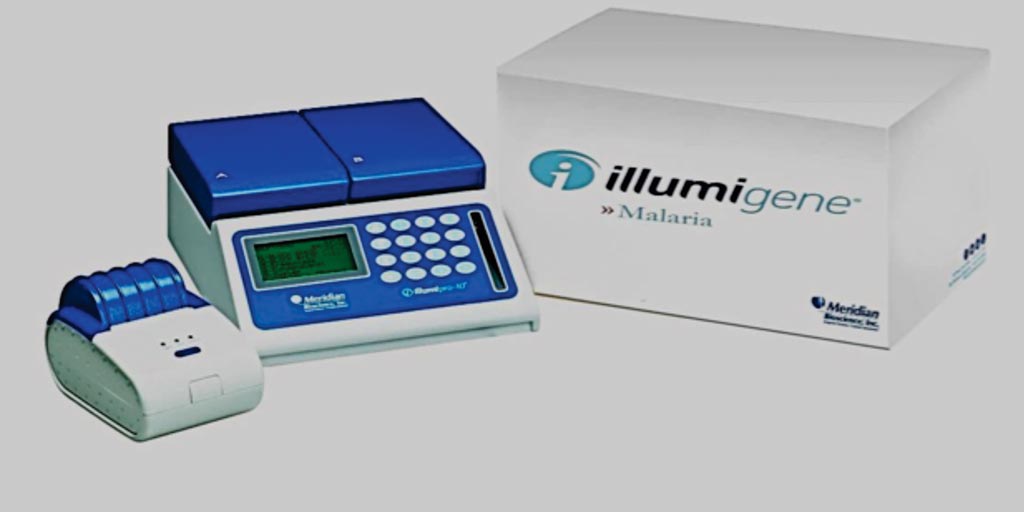
LAMP Malaria Assay Evaluated in Non-Endemic Setting
Imported malaria infections in non-endemic regions remain common due to increasing travel to endemic malaria areas and population movements. Yearly approximately 10,000 cases of imported malaria are reported, but the actual number may be as high as 30,000. More...02 Nov 2017
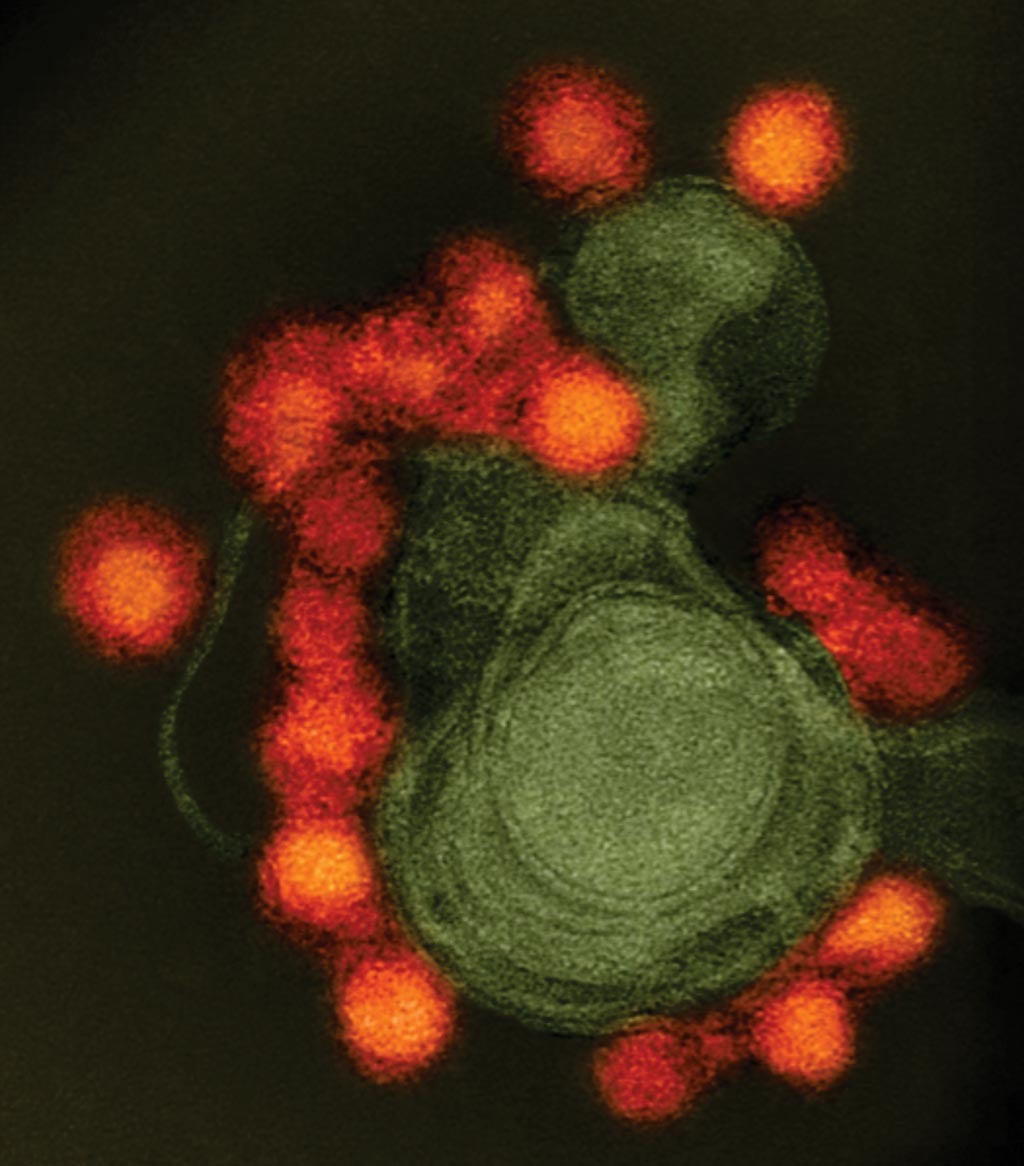
Zika Virus Persists Longer in Cutaneous Capillary Blood
Zika virus disease is caused by a virus transmitted primarily by Aedes mosquitoes. People with Zika virus disease can have symptoms including mild fever, skin rash, conjunctivitis, muscle and joint pain, malaise or headache. More...02 Nov 2017
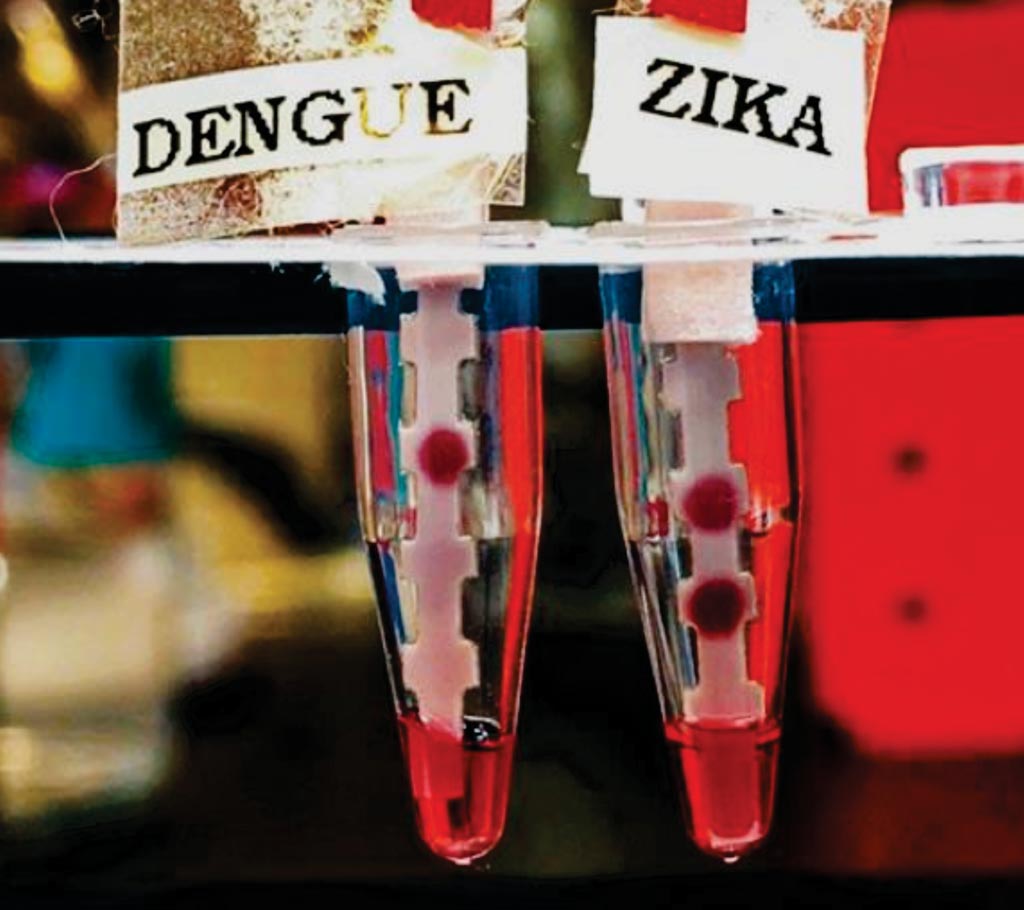
Novel Immunochromatographic Method Rapidly Identifies Flaviviruses
The recent Zika virus (ZIKV) outbreak demonstrates that cost-effective clinical diagnostics are urgently needed to detect and distinguish viral infections to improve patient care. Unlike dengue virus (DENV), ZIKV infections during pregnancy correlate with severe birth defects, including microcephaly and neurological disorders. More...01 Nov 2017
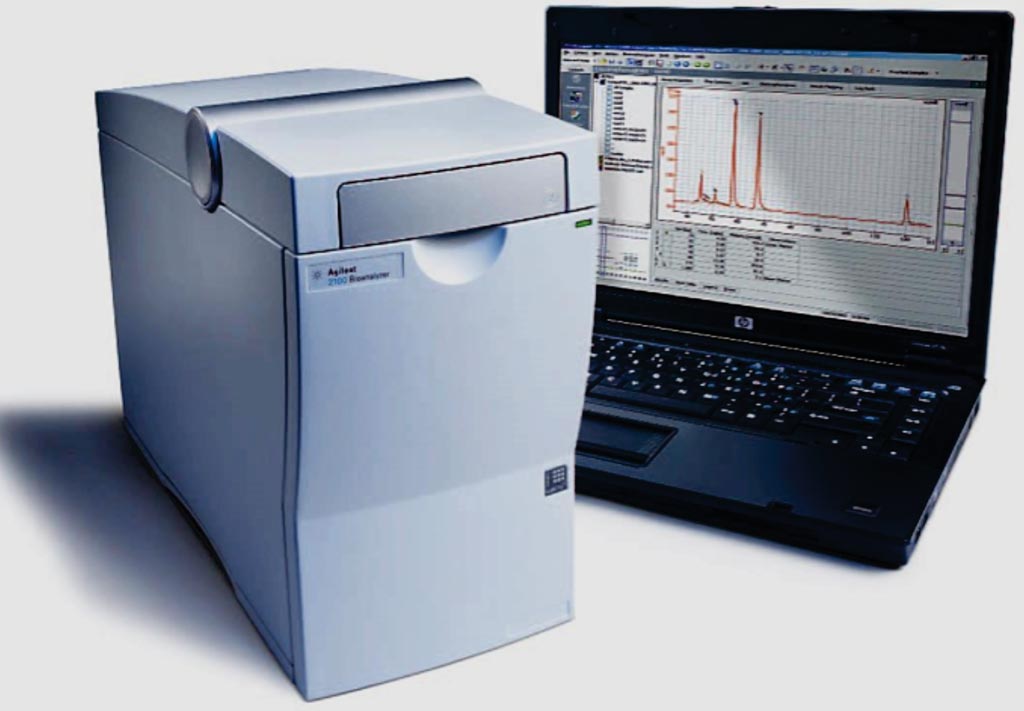
Viral Marker Predicts Flu Severity in Infected Patients
Influenza A viruses are the causative agents of annual epidemics, sporadic zoonotic outbreaks and occasionally pandemics. Worldwide, acute respiratory infections caused by influenza A viruses continue to be one of the main causes of acute illness and death. More...01 Nov 2017
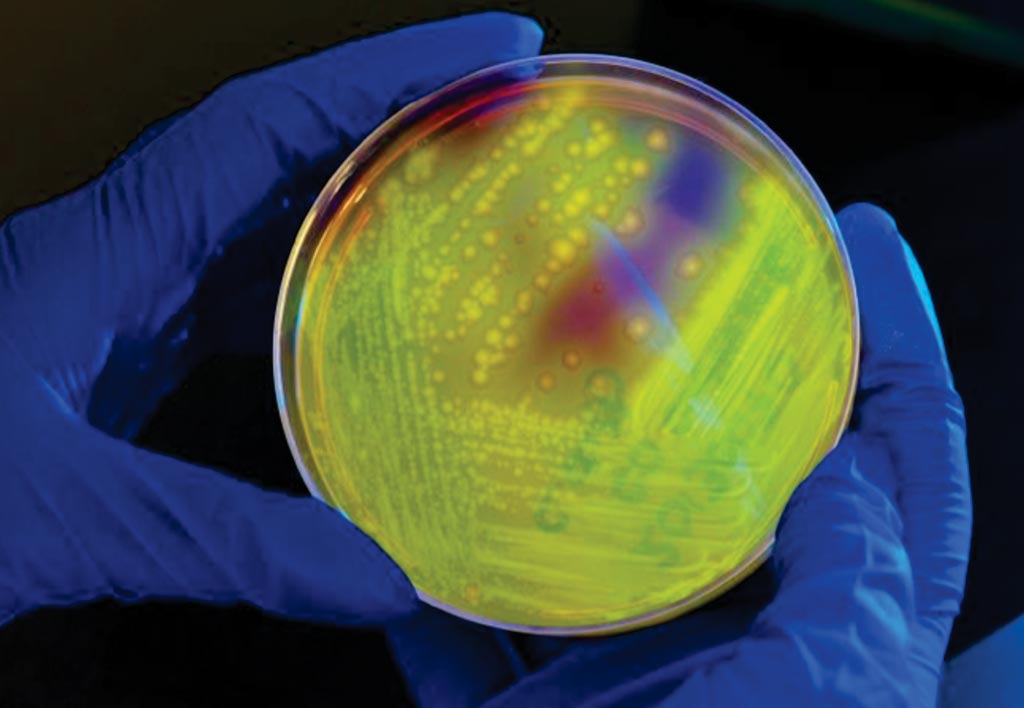
Infectious Diarrhea Guidelines Recommend When to Test
New culture-independent tests are much more sensitive than traditional diagnostic methods in detecting the cause of infectious diarrhea, a significant problem that leads to nearly 500,000 hospitalizations and more than 5,000 deaths in the USA every year. More...31 Oct 2017


Platinum Member

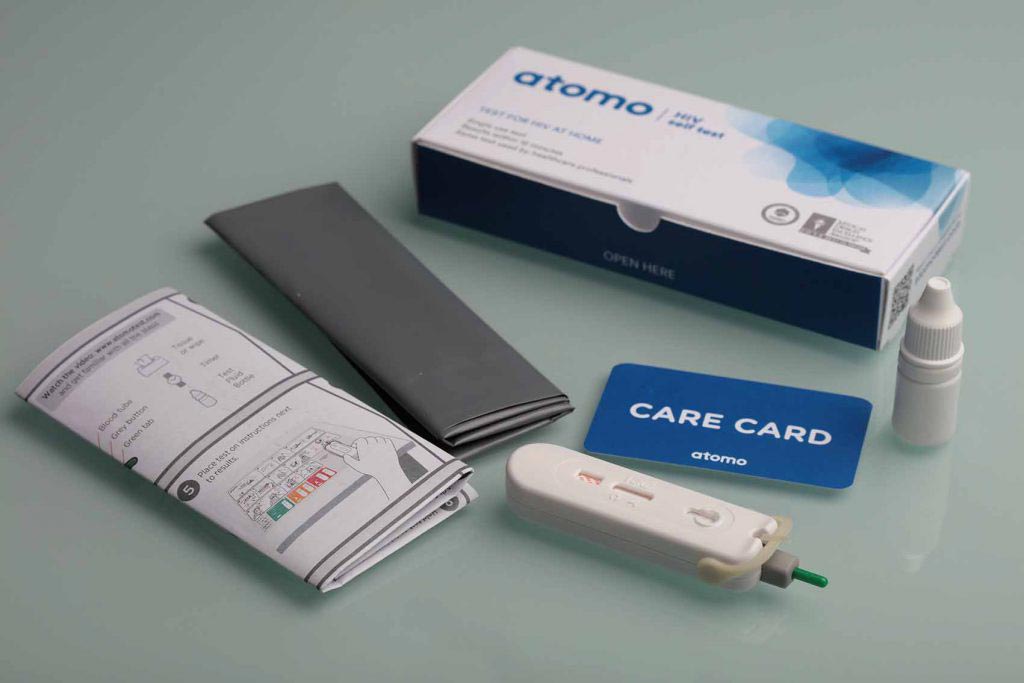
Automated Coagulation Analyzer
Hemolumi H6


POC Immunoassay Analyzer
Procise DX
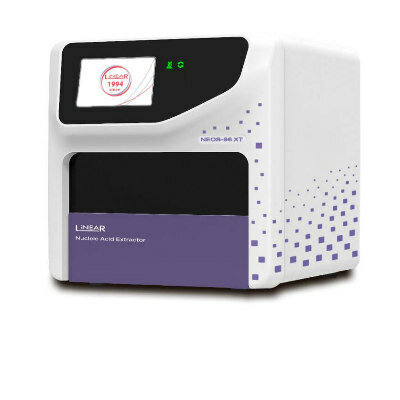
Gold Member

Nucleic Acid Extractor System
NEOS-96 XT
In Other News
LAMP Assay Detects Clonorchiasis in Human Samples
Next-Generation Immunoassay Developed for Chagas Diseases
Novel Blood Test Identifies Pathogens in Suspected Sepsis
Swabs Compared for Pediatric Enteropathogens
Usutu Virus Infections Found among Austrian Blood Donors
New Zika Serotypes Likely to Emerge in Future
Bacterial Composition Linked to Breast Cancer
Improved Blood Test for TB Launched
Diagnostic Sensitivity of Kato-Katz Technique Estimated
New Aptima Mycoplasma genitalium Assay Evaluated
Rapid Screening Test Developed for Ebola Virus
Technology Diagnoses Pneumonia Caused by Undetected Pathogens
Blood Test Accurately Distinguishes Bacterial and Viral Infections
Predatory Bacteria Found in Lung Microbiome of CF Patient
Paper-based Immunoassay Distinguishes Zika and Dengue Infections
Rapid Hepatitis C Testing Helps Screen Young Adults
Lipid Vesicles Replace Blood in New Bacteria Test
HPV Testing Detects More Precancerous Lesions
POC Tests Evaluated for Filarial Antigenemia
Immunocompromised Patients at Risk for Blastomycosis
Paper-Based TB Test Could Increase Diagnoses Worldwide
Checklist Developed for Early Identification of Infants with SCID
IBS Colon Reacts Differently to Bacteria


The LabMedica Microbiology channel provides the latest news in the fields of epidemiology, bacteriology, virology, and parasitology, all viewed from the unique perspective of Laboratory Medicine.