






Clinical Chemistry
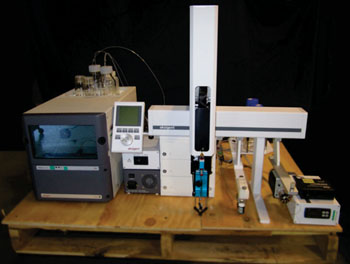

New Supermix Controls to Streamline QC in Clinical Laboratories
Two new liquid assayed chemistry controls have been designed to streamline quality control by cutting the number of individual QCs a laboratory needs to run in routine medical testing, saving time and money while ensuring highly accurate results and patient diagnosis. More...20 Mar 2014
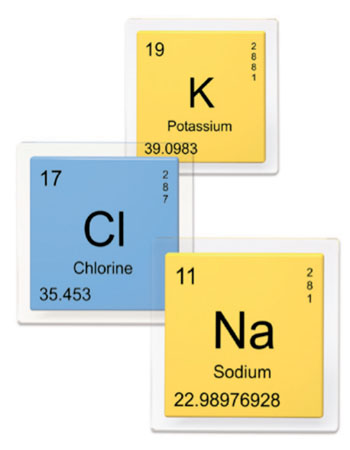
Photometric Tests for Common Electrolytes Provide High-Precision Alternative
As a high quality, reliable alternative or compliment to ion-selective electrode-based diagnosis, new photometric tests for sodium, potassium, and chloride provide accurate and precise results over a wide linear range, and are applicable to almost any clinical chemistry analyzer. More...19 Mar 2014
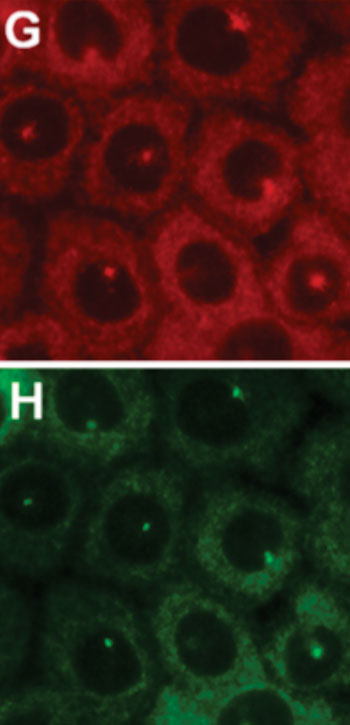
BPA Linked to Prostate Cancer, May Serve as Important Biomarker
New findings show that levels of bisphenol A in men’s urine could be a marker of prostate cancer and that even low levels of BPA exposure can cause cellular changes in both non-malignant and malignant prostate cells. More...18 Mar 2014
Blood Test Identifies Seniors At-Risk for Cognitive Impairment or Alzheimer's Years in Advance of Onset
A team of researchers has discovered biomarkers and validated the first blood test that accurately predicted whether an asymptomatic person will develop amnestic mild cognitive impairment or Alzheimer’s disease within 3 years before onset of clinical symptoms. More...18 Mar 2014


Platinum Member

Automated Coagulation Analyzer
Hemolumi H6
Gold Member

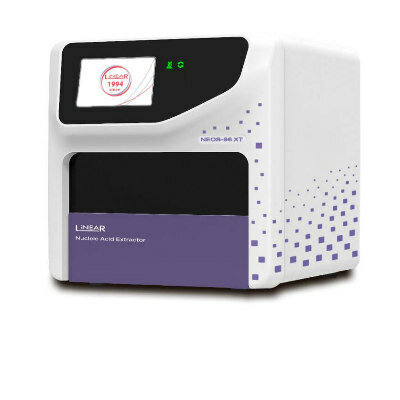
Nucleic Acid Extractor System
NEOS-96 XT
New

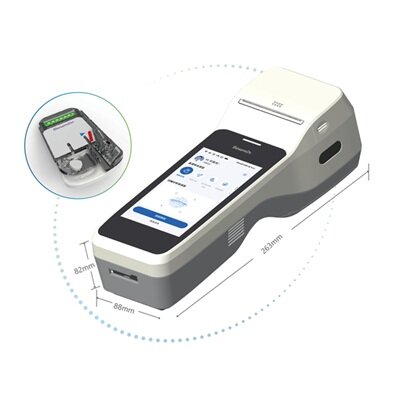
Portable POCT Blood Gas Analyzer
BD100
New

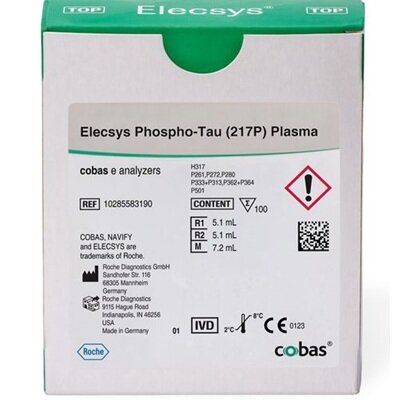
Alzheimer's Disease Biomarker Assay
Elecsys Phospho-Tau (217P) Plasma
In Other News
Molecular Biomarkers Tested for Schizophrenia
Laboratories Validate New Clinical Test for Acute Kidney Injury
Rise in Blood Levels of Heart Muscle Protein an Early Diagnostic Marker for Cardiac Injury
Nano-Based Urine Test to Enable Low-Cost Point-of-Care Cancer Diagnosis
Cortisol Identified as Biomarker for Severe Depression in Teenage Boys
Prognostic Tool Predicts Pediatric Septic Shock Mortality Risk
Protein Test Improves Survival Prediction for Oropharyngeal Carcinoma
Dedicated Blood DNA Collection Tube Receives European Marketing Approval
Reference Ranges Established for Automated Cerebrospinal Fluid Cell Count
Exhaled Breath Compounds Identify Early Lung Cancer
Glycated Hemoglobin Levels Accurately Predict Risk of Type II Diabetes
Risk Factor Identified for Life-Threatening Disease in Premature Infants
DNA-Barcode Profiling Identifies Cancer Biomarkers in Fine Needle Aspirates
Google Contact Lens Could Monitor Glucose Levels
Follow-Up Tests Improve Colorectal Cancer Recurrence Detection
Universal Diabetes Screening Recommended During Pregnancy
Prognostic Performance of High-Sensitivity Cardiac Troponin Assay Evaluated
Potential of New Tests in Long-Term Diabetes Complications
Serum Cholesterol Levels Linked to Cerebral Amyloidosis
Novel Approach Predicts Outcomes in Heart Failure Patients
Blood Spots Compared with Plasma Sample for Chitotriosidase Assay
Protein Biomarker Linked to Delirium Duration
Vitamin Testing in Babies Uses Tears


The Clinical Chemistry channel updates the reader on tests, techniques, and research in the field - from routine assays to specialized tests on blood, urine, enzymes, lipids, hormones and more.