






Clinical Chemistry


Platinum Member

Automated Coagulation Analyzer
Hemolumi H6
Gold Member

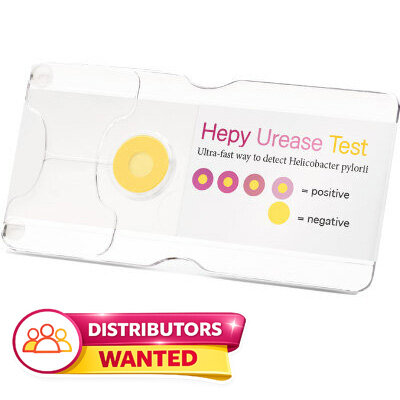
POC Helicobacter Pylori Test Kit
Hepy Urease Test
New

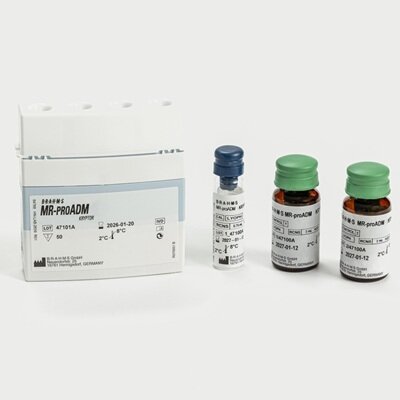
MR-proADM Test
B•R•A•H•M•S MR-proADM KRYPTOR test
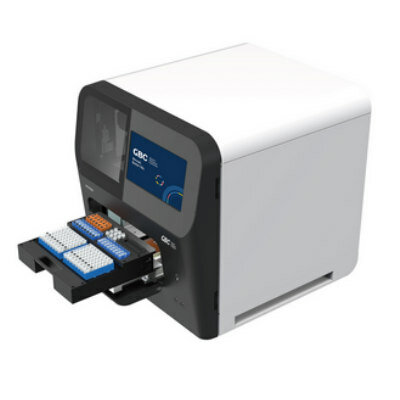

All-in-One Molecular System
AIO M160
In Other News
Modified Protein Structures Analyzed by Selected Reaction Monitoring
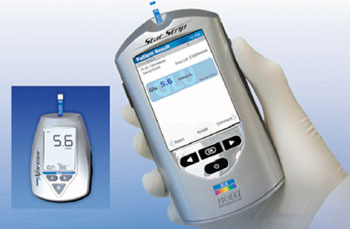
Blood Gas Analyzer Supports Rapid Critical Point-of-Care Measurements
Continuous Glucose Monitoring Sensors Compared for Effectiveness
Revolutionary Glucose Monitoring System Receives CE Marking
Advanced Diabetes Diagnostic Tests Now Available in Europe
Urine Test Assesses Risk of Developing Acute Kidney Injury
Elevated Blood Sugar a Cardiovascular Disease Risk Not Linked to Cholesterol Levels
Micropump Developed for Lab-On-A-Chip Disease Diagnosis
Novel Method Developed for More Effective Noninvasive Prostate Cancer Screening
Specific Blood Test Diagnoses Early Onset Kidney Failure
Sex Hormone Levels Linked to Sudden Cardiac Arrest Risk
Novel Method Identifies Fat Malabsorption
Autoantibody Test Helps Diagnose Type 1 Diabetes
Blood Glucose in Hospitalized Patients Predicts Diabetes Risk
Noninvasive Glucose Sensing Uses Mid-Infrared Light
Genetic and Lifestyle Factors Effect Biomarker Variation
Micro-Method Determines Glutathione in Human Blood
Novel Diagnostic Test Differentiates Type I from Type II Diabetes at an Early Stage
LDL Particle Number Measured Using NMR Clinical Analyzer
Semiquantitative Urine Dipstick Evaluated for Microalbuminuria Screening
Urinary Biomarker Discovered in Variant Creutzfeldt-Jakob Disease
Small RNAs in Blood May Reveal Heart Injury
Red Blood Cell Folate Level Is a Biomarker for Risk of Neural Tube Defects


The Clinical Chemistry channel updates the reader on tests, techniques, and research in the field - from routine assays to specialized tests on blood, urine, enzymes, lipids, hormones and more.