






BioResearch
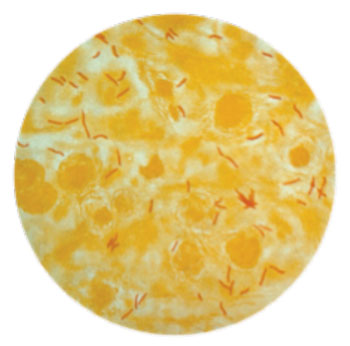
Combining Drugs Reduces Toxicity of Key Anti-Tuberculosis Therapy Option
Combining a potent drug used to treat multidrug-resistant tuberculosis with a calcium-channel blocker significantly reduces the required dosage of the anti-tuberculosis drug, which eliminates most of its toxic side effects. More...14 Jan 2015

Challenging Classic Science Principles, New Research Finds New Role for Proteins
A new study revealed for the first time that the essential components of a protein, called amino acids, can be assembled without blueprints—DNA and an intermediate template called messenger RNA. Researchers have observed an instance in which another protein specifies which amino acids are added. More...14 Jan 2015

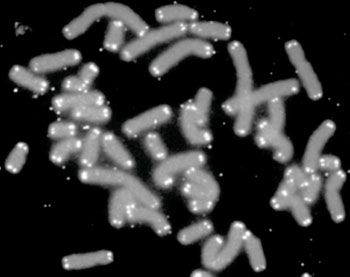
Genome Editing Application Has Potential in Modifying Human Stem Cells
A unique genome editing tool known as CRISPR has been used by researchers for several years to fit, replace, disrupt, or add to sequences of an organism’s DNA. Now, scientists have shown that the system also precisely and effectively changes human stem cells, which could become a new advance in the use of stem cells for treatment and disease research. More...12 Jan 2015
Protein Bioengineering Applications May Offer a Treatment for Huntington’s Disease, Improving Motor Function and Reducing Brain Shrinkage
Researchers have improved motor function and brain abnormalities in lab animals with a form of Huntington’s disease, a severe neurodegenerative disorder, by modifying the levels of a key signaling protein. This new findings may become the basis of a new treatment for individuals suffering from this lethal, progressive disease. More...11 Jan 2015


Platinum Member

Automated Coagulation Analyzer
Hemolumi H6

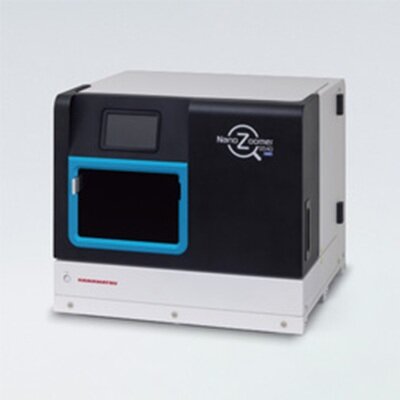

Slide Scanner System
NanoZoomer S540MD
Gold Member

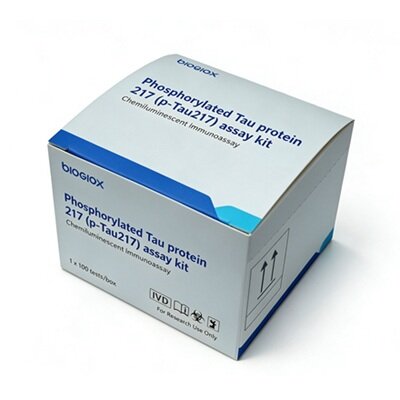
Blood-Based Protein Biomarker Solution for Alzheimer's Disease
BG-DTi2000.
In Other News
Study Suggests Pleconaril Has Potential to Treat EV-D68 Infection
Ultrafast 3-D X-Ray Imaging of Complex Systems Achieved at Near Atomic Resolution
Partnership to Launch Wireless Brain Research System
Sugar Found in Red Meat Causes Chronic Inflammation in Human-Like Mouse Model
Nematode May Hold Clues into Aging Elixir

Novel Molecular Pathway Controls Metastasis in Mouse Melanoma Model
New Software Uses X-Ray Diffraction to Generate 3-D Images of Molecular Machines
Low Doses of Resveratrol Activate Stress-lowering Molecular Pathway
United Kingdom to Build a New Cell and Gene Therapy Manufacturing Center
Compressed Ultrafast Photography Designed to Aid Scientific Research
Hardware Attachment and Dedicated App Turn Smartphone into a Fluorescence Microscope
Direct Reprogramming of Fibroblasts into Melanocytes Avoids Cancer Threat
New Packaging Revives Potential for Highly Toxic Cancer Drug
Merger Expected to Accelerate Development of Personalized Medicine Solutions
Online Tool Designed to Aid Ebola Researchers
New Research Has Potential for Tackling Signs of Aging
Synthetic Peptide Drug Overcomes Bacterial Resistance to Antibiotics
Testosterone Linked to Higher Rate of Colon Cancer in Males
Tripeptide Drug Effectively Controls Metabolic Syndrome in Rodent Model
Holographic Haptic Shapes Realized Using Ultrasound
Novel Nanofilm May Be Artificial Retina Precursor
Mechanism of the Valveless Pump Revealed in Online Video Presentation
Sequencing of Centipede Genome Yields Evolutionary Clues


BioResearch brings the latest research news on the genome, proteome, metabolome, on drug discovery, and therapeutics. Biotech researchers, lab administrators, technologists, drug manufacturers, and suppliers can find the latest research news and information related to their fields of endeavor here.