






BioResearch
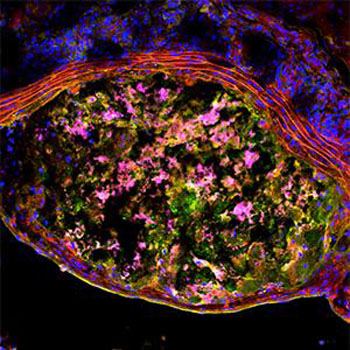
Macrophages Lacking Ubiquitin-Binding Protein Stimulate Growth of Atherosclerotic Plaques
In a mouse model of atherosclerosis it was shown that while lack of the autophagy chaperone protein p62 prevented ubiquinated dysfunctional proteins from being sequestered in vesicles in the cytoplasm of macrophages, the presence of these proteins in the cell contributed to increased macrophage infiltration into atherosclerotic plaques and exacerbated atherosclerosis. More...24 Jan 2016
Novel Combination of Nanotechnology and Gene Therapy Repairs Damaged Arterial Walls
Vascular disease researchers have demonstrated the possibility of using a combination of magnetic nanoparticles and virally-transported genes to repair damage and restore function in the walls of arteries following anti-arteriosclerosis treatment. More...20 Jan 2016
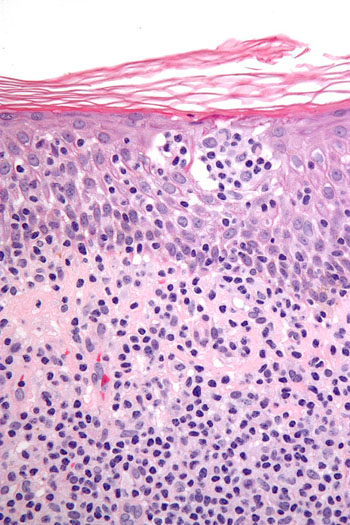
Bioengineered Connective Tissue to Promote Development of Treatment Strategies
New models of the cellular and molecular structure of fibrocartilaginous tissues, such as those comprising the meniscus of the knee, are expected to aid in the development of treatment strategies for injuries and for age or disease-related degeneration. More...18 Jan 2016


Platinum Member

Automated Coagulation Analyzer
Hemolumi H6
.jpg)
Gold Member

Clinical Chemistry Assay
Sorbitol Dehydrogenase (SDH)

Gold Member

Blood-Based Protein Biomarker Solution for Alzheimer's Disease
BG-DTi2000.


Thyroid Test
Anti-Thyroid EIA Test
In Other News
Successful Cardiac Repair Depends on Maturity of Transplanted Stem Cells
Reprogrammed Skin Cells Produce Insulin and Prevent Diabetes in Mouse Model
Secondary Bile Acids in the Large Intestine Inhibit Clostridium difficile Growth
New Drug Research and Development Program to Focus on the Gut Microbiome
Growth of Mantle Cell Lymphoma Slowed by Nanoparticle Transported siRNA
Development of Rett Syndrome Linked to Membrane Transport Protein Deficiency
Deleting the Dicer DNA-Repair Enzyme Increases Sensitivity of Cancer Cells to Chemotherapy
Internet Application Furthers Pediatric Cancer Research
Cell-Free Bioreactor Produces Therapeutic Proteins for Point-of-Care Use
Interactive Cancer Drug Discovery Database Has Been Enlarged and Enhanced
Thermal Microscopy Could Help Detect Disease
Proteasome-Activating Drug Reverses Neurodegenerative Disease Symptoms in Mouse Model
Maintenance of a Stable Karyotype Depends on Action of a Long Noncoding RNA
Loss of Long Noncoding RNA Inhibits Breast Tumor Metastasis in Mouse Model

Inhaled Viral Capsids Trigger Systemic Antitumor Response in Mouse Model
Maple Syrup Compound a Potent Anti-Inflammatory Agent
Cytoplasmic Polyadenylation Element-Binding Proteins Regulate Pathologic Angiogenesis in Chronic Liver Diseas
Modification of Integrin Ligand Receptors May Lead to Personalized Cancer Diagnosis and Treatment
Nanobridges Transport Pro-Metastatic MicroRNAs from Cancer Cells to Surrounding Normal Tissues
Multiple Copies of RNA Editing Enzyme Gene Promote Lung Cancer Growth
Small Molecule Innate Immune System Stimulators Show Promise as Broad-Spectrum Antiviral Drugs
Blocking a Long Noncoding RNA Reduces Stroke Damage in Rat Model
Structure of Bacterial Polysaccharide Synthesizing Enzyme May Lead to New Drugs


BioResearch brings the latest research news on the genome, proteome, metabolome, on drug discovery, and therapeutics. Biotech researchers, lab administrators, technologists, drug manufacturers, and suppliers can find the latest research news and information related to their fields of endeavor here.