






BioResearch
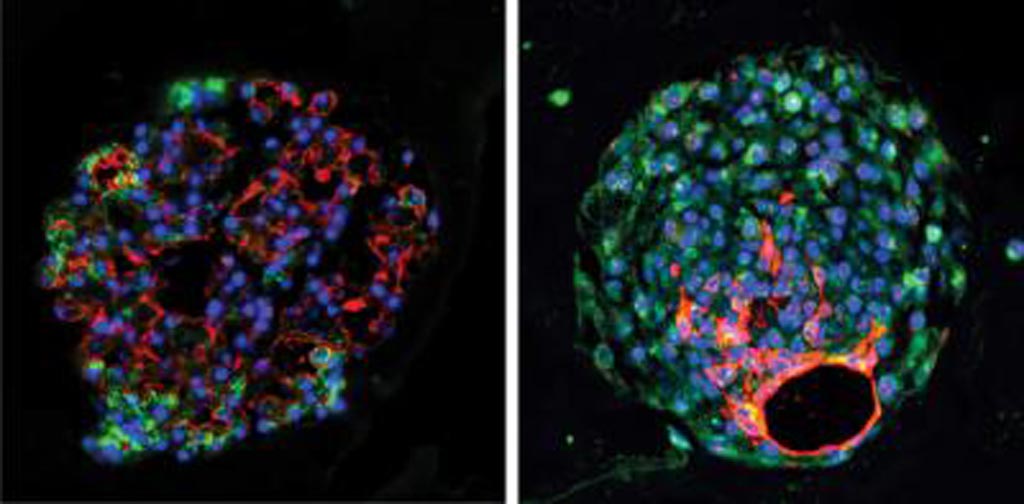
Lung Progenitor Cells Enable Culture of 3D Organoids for Studies
An in vitro system for growth of three-dimensional lung organoids was used to characterize a line of alveolar stem cells that plays a critical role in repairing lung tissues damaged by severe influenza or other respiratory ailments such as chronic obstructive pulmonary disease (COPD). More...15 Mar 2018
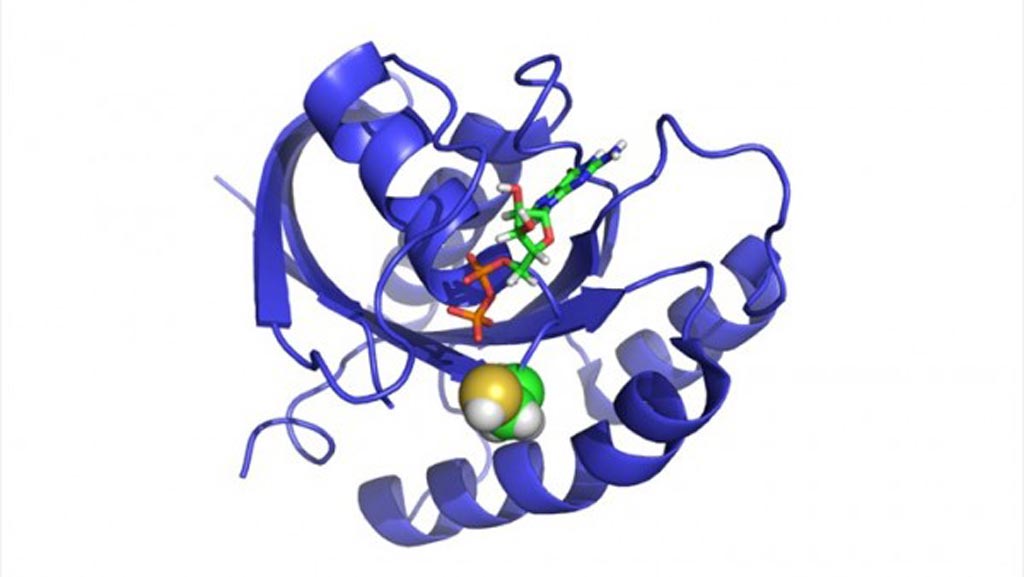
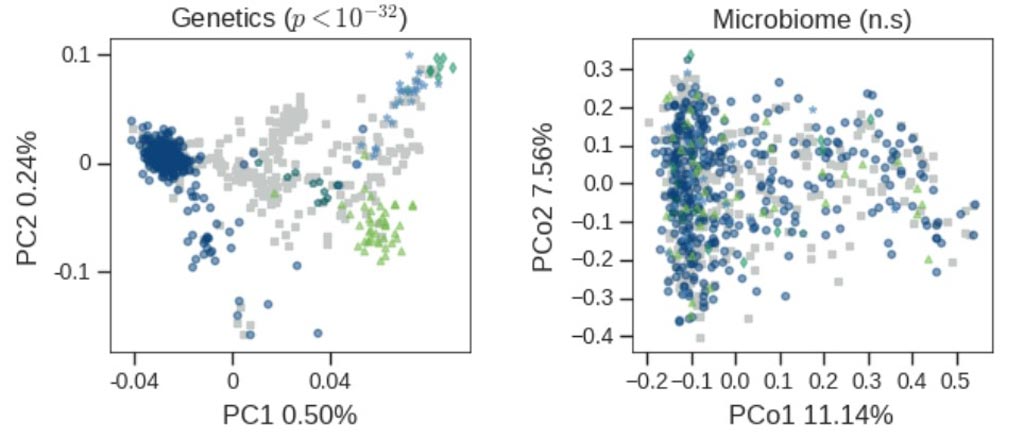
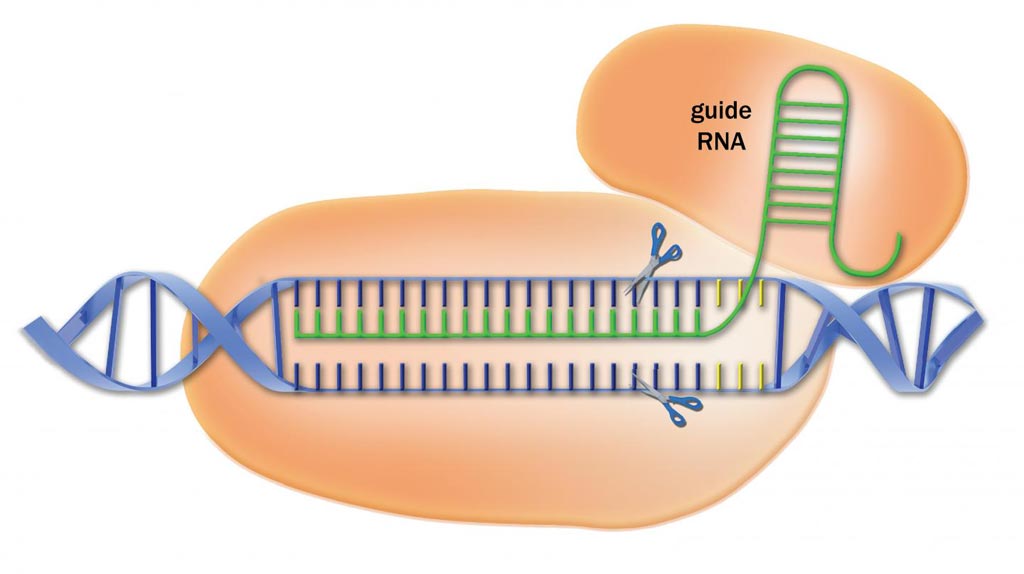
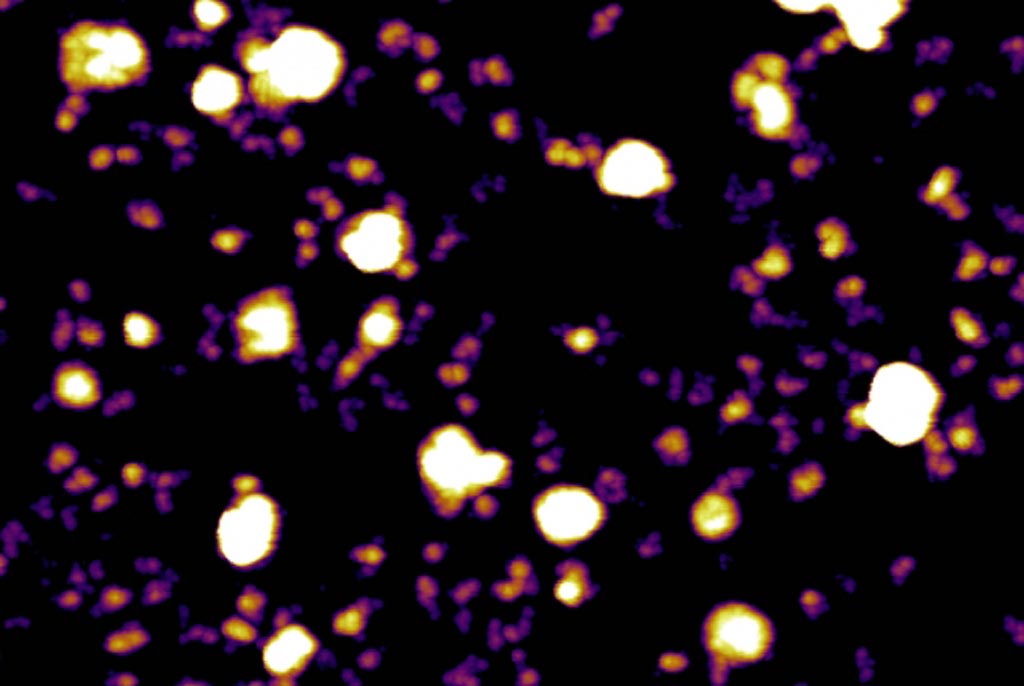
Cancer Progression Linked to Activity of Exosomes and Exomeres
The separation technique asymmetric flow field-flow fractionation was used to identify and characterize two distinct exosome subpopulations, and the method enabled discovery of an abundant population of non-membranous nanoparticles termed "exomeres." More...08 Mar 2018


Platinum Member

Automated Coagulation Analyzer
Hemolumi H6

Gold Member

Aspiration System
VACUSAFE
New

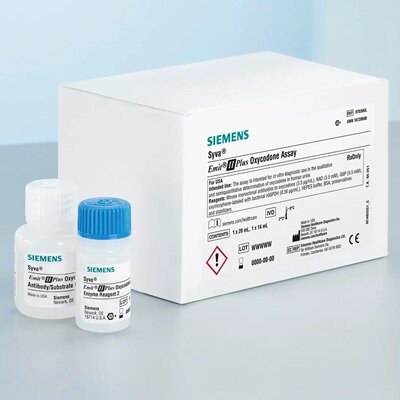
Drug Testing Assays
Atellica DT 250 Analyzer
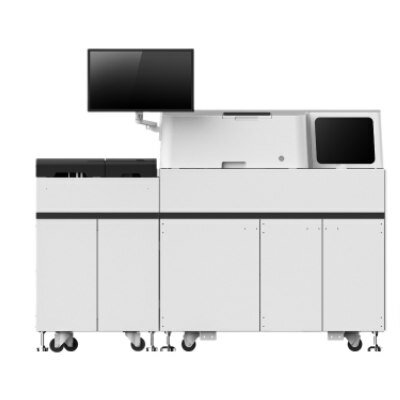

Automatic CLIA Analyzer
Shine i6000
In Other News
Gene Editing Reverses Fragile X Syndrome in Model
FOXO Protein Deficiency Linked to Osteoarthritis Severity
Reducing Beta-secretase Reverses Alzheimer's Disease in Model
Liver-on-Chip Culture System Used to Study Hep B Infection
Long Non-coding RNA Reduces Arteriosclerosis Risk
Studies Indicate Gene Editing May Cure Mutation-linked Disorders
Novel Drug Candidate Reverses Arthritic Bone Loss in Models
Enzyme Structure May Lead to Control of DNA Methylation Process
Tumors Avoid Destruction by Immune System
Modified Adenovirus Vector Used for Cancer Gene Therapy
Light-Sensitive Nanoparticles Designed for Smart Drug Release
3D Hydrogel Structures Developed for Biomedical Use

Immunostimulatory Vaccine Cures Metastatic Cancer in Model
Potential Therapy Blocks Cancer Stem Cell Survival
Targeted Oncolytic Virus Selectively Attacks Cancer Cells
Nanoparticles Deliver Small RNAs to Treat Pancreatic Cancer
Protein Nanoparticles Empower Potential Universal Flu Vaccine
RNA Mimic Blocks Pain Sensitization in Model
Mutations Force Proteins to Adopt Solid-like Structures
RNA Analysis Identifies Precursor Cytotoxic Lymphocyte Population
Elimination of CSCs as Potential Cure for Colon Cancer
Soft Hydrogel Structures Developed for Organ Regeneration Studies
Phagocyte Mutation Interferes with Immune System Control


BioResearch brings the latest research news on the genome, proteome, metabolome, on drug discovery, and therapeutics. Biotech researchers, lab administrators, technologists, drug manufacturers, and suppliers can find the latest research news and information related to their fields of endeavor here.