Whole-Blood RNA Test Could Improve Breast Cancer Screening in Dense Breasts
Posted on 25 Aug 2026
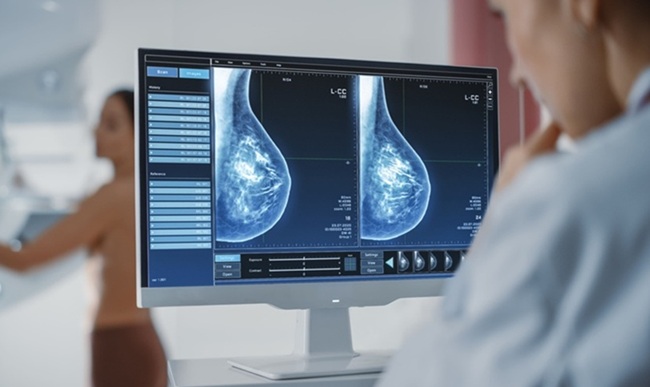
Breast cancer screening continues to face challenges, including limited detection of small tumors and uneven participation, particularly among women with dense breasts. These limitations can leave diagnostic gaps that delay detection when disease is most treatable. Cost also affects adoption of newer screening approaches, with some blood tests priced in the thousands of dollars. New findings show that an investigational whole-blood RNA test, used alongside mammography, could improve modeled health outcomes while reducing overall costs.
Syantra Inc.’s Onco-ID Breast test is an investigational whole-blood RNA assay intended to complement existing breast imaging. In a Syantra co-authored health economic analysis published online on July 25, 2026 in Clinical Breast Cancer, researchers modeled its integration into screening for women with dense breasts. The analysis highlights small tumor detection and increased screening participation as key drivers of cost-effective outcomes.
The assay is built on a platform that combines robust multiplex quantitative polymerase chain reaction (qPCR) with machine learning–derived software to enable scale. According to Syantra, it is the first of its kind to measure cancer cell–mediated immune system changes in whole blood. Results are intended to inform follow-up diagnostic breast imaging.
Using a lifetime Markov health economic model, the study compared three biennial strategies beginning at age 40: mammography alone, blood screening alone, and a combined blood screening plus mammography approach. Investigators evaluated the impact of blood test–enabled increases in detection of small invasive cancers and improvements in participation among eligible populations. The model assumed a per-test cost targeted at $512 USD, noting that other blood tests can cost upwards of $3,000 USD.
Under the modeled assumptions, the analysis projects that a blood screening strategy for women with dense breasts would yield better lifetime health outcomes at lower healthcare cost than mammography alone. The publication is described as the first to evaluate potential impacts of incorporating a blood test into established breast screening pathways. Women with dense breasts, representing about half of women, have lower small tumor detection and may particularly benefit from supplementing mammography with a blood test.
The authors characterize the work as exploratory and intended to inform future clinical and health economic research. The findings suggest a dual benefit for blood-based screening—supporting earlier detection while improving healthcare resource utilization. The company notes that its platform’s lower unit cost per test compared with other technologies is intended to support broader access.
“Our objective with this study was to evaluate how a blood-based test might be effectively integrated into breast screening pathways. The results show some exciting possibilities for use of the test to complement mammography or as an option for those not currently screening regularly,” said Eldon Spackman, associate professor at the University of Calgary and co-senior author of the study.
“The study provides an early framework for evaluating how blood-based screening technologies could contribute to future breast cancer screening pathways, particularly for women with dense breasts,” said Dr. Edith A. Perez, professor emeritus, Mayo Clinic.
Related Links
Syantra





 Assay.jpg)