WHO Endorses Rapid Point-of-Care Testing to Improve TB Detection
Posted on 30 Mar 2026
Tuberculosis (TB) remains a leading infectious killer, with more than 3,300 deaths and 29,000 new illnesses every day. Diagnostic delays and dependence on centralized laboratory networks continue to impede timely treatment. Expanding testing where patients first seek care is critical for programs facing resource constraints. New guidance now endorses near point‑of‑care diagnostics and simplified sampling approaches to accelerate case detection.
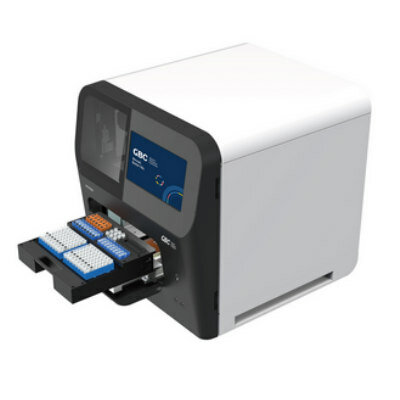
The World Health Organization (WHO) has issued new guidelines on tests for TB that can be used near the point of care, highlighting portable, simple‑to‑use molecular platforms. These battery‑operated devices can deliver results in less than one hour, enabling faster treatment decisions. WHO notes they are available at less than half the cost of many existing molecular diagnostics, supporting broader access. By functioning outside centralized laboratories, they reduce reliance on sample transport. WHO also indicates these platforms could support testing for HIV, mpox, and human papillomavirus (HPV) in integrated, one‑stop services.
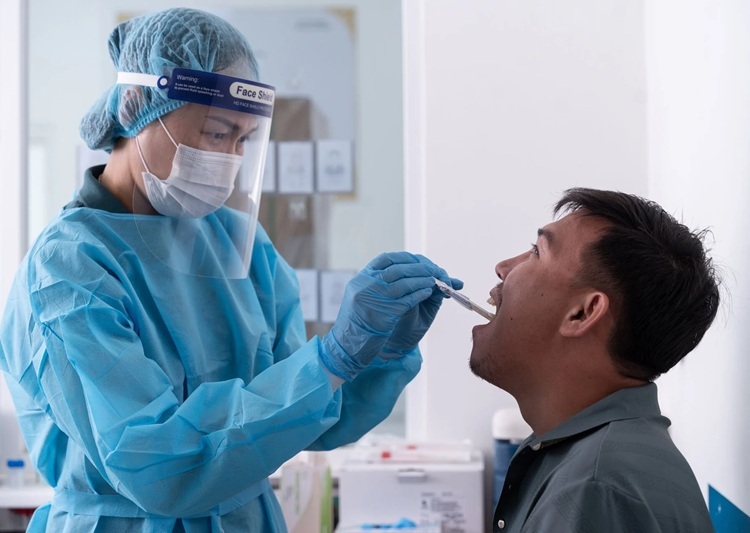
The guidance recommends easy‑to‑collect tongue swab samples and a cost‑saving sputum pooling strategy for TB and rifampicin‑resistant TB. Tongue swabs extend testing to adults and adolescents who cannot produce sputum, a group at increased risk of dying from TB. Pooling multiple sputum samples into a single test can cut commodity costs and machine time, speeding results for individuals and programs. WHO specifies that pooling is particularly appropriate when resources are exceptionally constrained.
Uptake of rapid diagnostic tools has lagged in many countries due to high costs and dependence on centralized laboratories. WHO calls for scaling proven options, including point‑of‑care urine tests for people living with HIV and near‑point‑of‑care low‑ or moderate‑complexity assays for people with and without HIV, to close diagnostic gaps across the health system. This approach can reduce delays in treatment initiation and curb transmission. Although an estimated 83 million lives have been saved since 2000, cuts in global health funding threaten progress and heighten the need for efficient, affordable testing.
Released for World TB Day 2026 under the theme “Yes! We can end TB: Led by countries, powered by people,” WHO urges countries to accelerate roll‑out of near point‑of‑care technologies, strengthen people‑centered TB care with community leadership, and build resilient health systems. It also calls for tackling the social and economic drivers of TB through multisectoral action while protecting essential services amid funding constraints.
"These new tools could be truly transformative for tuberculosis, by bringing fast, accurate diagnosis closer to people, saving lives, curbing transmission and reducing costs," said Dr Tedros Adhanom Ghebreyesus, WHO Director-General. "WHO calls on all countries to scale up access to these and other tools so every person with TB can be reached and treated promptly."
“Investing in TB is a strategic political and economic choice, generating up to US$ 43 in health and economic returns for every dollar spent”, said Dr Tereza Kasaeva, Director of WHO’s Department for HIV, Tuberculosis, Hepatitis and Sexually Transmitted Infections. “What is required now is decisive leadership, strategic investment and rapid implementation of WHO recommendations and innovations to save lives and protect communities.”
Related Links
WHO



.jpg)