Urine Genomic Test Detects More Than Nine in Ten Suspected Bladder Cancers
Posted on 03 Sep 2026
Urgent evaluation for suspected bladder cancer often sends patients to cystoscopy, an invasive and resource-intensive procedure, even though relatively few ultimately have cancer. This places pressure on hematuria services managing high referral volumes. Noninvasive urine testing could help triage patients more effectively while maintaining safety. A new study shows that a urine DNA assay identified more than nine in 10 cancers among urgently referred patients.
The study, led by the University of Birmingham and Nonacus Ltd., evaluated the GALEAS Bladder test across seven National Health Service (NHS) urology departments. GALEAS Bladder is a noninvasive assay that analyzes genomic information in urine to detect traces of bladder cancer and flag patients at higher risk. The analysis focused on patients referred urgently for possible bladder cancer.
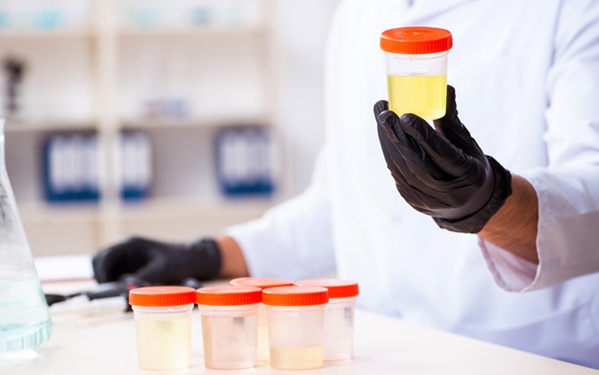
The multicenter prospective study enrolled 964 patients and assessed urine testing alongside standard cystoscopy to evaluate real-world utility. Investigators examined whether the assay could help prioritize patients for urgent cystoscopy and support deferral in lower-risk cases where appropriate. Peer-reviewed findings were published on September 2, 2026, in European Urology Oncology.
Among 77 cancers diagnosed, GALEAS Bladder detected 71 (92.2%). The assay identified all 17 muscle-invasive cancers (100%) and 35 of 36 high-grade tumors (97.2%). A negative result was associated with a 99.3% probability of not having bladder cancer. Among the 30% of patients with non-visible hematuria, both detection and negative predictive value were 100%.
At the most cautious prespecified clinical threshold, triage with GALEAS Bladder was estimated to avert 730 urgent cystoscopies per 1,000 patients with no loss of net clinical benefit. The test was used alongside cystoscopy, which remains important for diagnosis but requires passing a camera through the urethra and adds procedural burden. GALEAS Bladder is already incorporated within NHS pathways in England and Wales, with additional sites adopting the test.
“Seeing GALEAS perform so strongly across almost 1,000 patients in seven NHS urology departments is extremely encouraging. This is real‑world evidence from the patients and pathways the test has been designed to support. What matters most is identifying those most likely to have cancer sooner, while giving clinicians confidence when deciding which patients can safely wait for a cystoscopy. The fact that the test detected every muscle‑invasive cancer in the study, alongside a negative predictive value of more than 99%, gives us further confidence in the role GALEAS can play in supporting NHS diagnostic pathways,” said Lee Silcock, co‑founder and chief product officer at Nonacus and co‑author of the study.
Related Links
Nonacus Ltd.
University of Birmingham