Updated PSA Testing Guidelines Support Early Prostate Cancer Detection
Posted on 13 Nov 2026
Prostate cancer is the second leading cause of cancer-related death among men in the United States, with an estimated 333,830 new cases and 36,320 deaths this year, according to the American Cancer Society. Screening remains debated because many prostate cancers grow slowly, while treatment can cause complications such as incontinence and impotence.
However, new findings suggest that updated prostate-specific antigen (PSA) testing strategies may support regular screening in middle-aged men while helping balance early detection with the risks of unnecessary treatment.
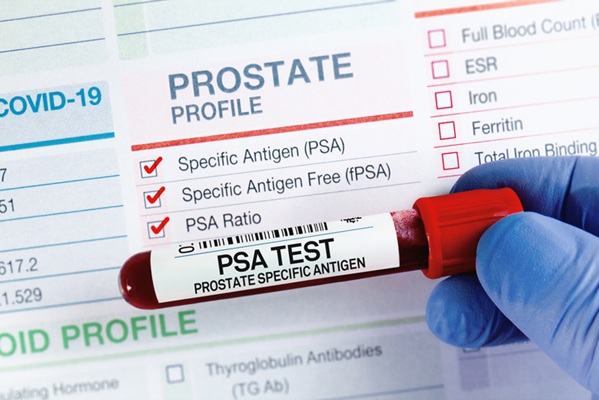
The American Cancer Society (ACS) has issued updated prostate cancer screening guidelines emphasizing regular prostate-specific antigen (PSA) testing. The recommendations call for average-risk men aged 50 to 69 to undergo PSA testing every two years, while Black men and those with a strong family history of prostate cancer should begin screening at age 45. Testing may continue through age 75, with individualized decisions for men in their 70s.
The updated guidelines position PSA testing as the first step in early prostate cancer detection, incorporating improved interpretation of elevated results and additional assessments to identify aggressive tumors while minimizing unnecessary testing and treatment. Men aged 45 to 69 with PSA levels of 3.0 ng/mL or higher, and those aged 70 to 74 with levels of 6.5 ng/mL or higher, are advised to undergo repeat testing within two weeks to three months.
For men with persistently elevated PSA levels, the guidelines recommend MRI and clinical counseling to help determine whether a biopsy is necessary. Published on November 12, 2026, in CA: A Cancer Journal for Clinicians, the recommendations replace the ACS guidelines issued in 2010, which followed two major clinical trials that reported conflicting findings on the benefits of prostate cancer screening.
“PSA testing remains the cornerstone of detecting prostate cancer early, and we now have stronger evidence of its benefits. We also have better approaches to catching lethal tumors while avoiding unnecessary tests for slow-growing cancers that may never need aggressive care,” said Robert Smith, senior vice president of early cancer detection science at the American Cancer Society.
“By making a direct recommendation for men to engage in screening and advocating for earlier and more frequent screening for Black men, our aim is also to help reduce prostate cancer disparities and ease the disease burden,” said Dr. William Dahut, chief scientific officer at the American Cancer Society.
Related Links
American Cancer Society