Study Reveals Moleclar Mechanism Driving Aggressive Skin Cancer
Posted on 20 Apr 2026
Cutaneous squamous cell carcinoma (cSCC) is the world’s second most common skin cancer, and while many cases are treatable, a subset becomes highly aggressive and therapy‑resistant. Identifying molecular drivers that tip tumors toward invasion and metastasis remains a clinical priority, and understanding how epidermal identity is maintained may help flag high-risk disease earlier. New findings now identify a protein safeguard that preserves epithelial programming and limits the transition to metastatic behavior.
Hebrew University of Jerusalem researchers identified WWOX as a molecular “protein shield” that preserves epithelial identity in cSCC. The study outlines how this protein functions as a primary defense against progression to aggressive disease. Loss of WWOX was linked to transformation of common skin cancer cells into invasive, poorly differentiated forms.
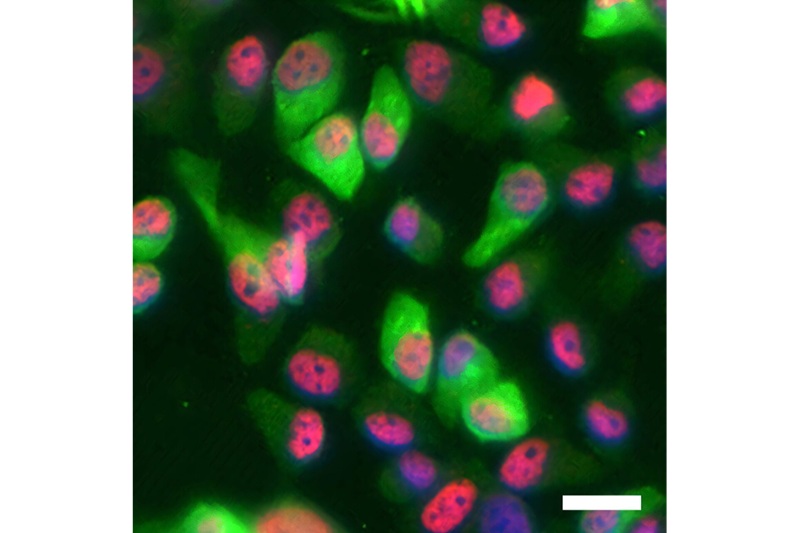
Mechanistically, WWOX stabilizes the p63 protein, a master regulator that maintains epithelial structure and function. When WWOX is intact, p63 remains stable and skin cells retain their identity. When WWOX is lost, p63 levels drop, triggering epithelial‑to‑mesenchymal transition (EMT) that endows cells with migratory properties, enabling invasion and dissemination to the lungs and other organs.
Using advanced genetic models alongside human tissue samples, the investigators showed that combined loss of WWOX and the tumor suppressor p53 markedly accelerated tumor onset. Tumors arising under double deficiency were earlier, more aggressive, and poorly differentiated compared with settings in which WWOX remained functional. In these models, 100% of subjects with dual WWOX–p53 loss developed tumors, versus a much lower percentage in control groups.
Analyses of human tissue microarrays supported the translational relevance: as cSCC advanced, WWOX and p63 levels declined in tandem. According to the authors, this correlation suggests both proteins could serve as clinical biomarkers to help predict which tumors are likely to become dangerous. The findings were published in Proceedings of the National Academy of Sciences under the title “WWOX maintains epidermal identity and suppresses EMT to prevent aggressive cutaneous squamous cell carcinoma.” The results further suggest that restoring WWOX, stabilizing p63, or promoting epithelial differentiation might inhibit EMT and slow tumor growth.
Related Links
Hebrew University of Jerusalem




.jpg)