Study Questions Broad Fasting Requirements Before Routine Blood Tests
Posted on 09 Oct 2026
Routine blood testing is central to diagnosis, monitoring, and disease risk assessment. Many patients are still asked to fast for 8–12 hours before phlebotomy, even though the requirement was originally intended mainly for glucose and lipid testing. Fasting can delay same-day testing and concentrate early-morning demand in hospitals and laboratories.
Researchers from South Korea evaluated whether broad fasting requirements are necessary before routine blood testing. The proposed approach would replace a one-size-fits-all fasting rule with test-specific requirements. The analysis focused on whether results differed when patients fasted for less than 8 hours, 8–12 hours, or more than 12 hours.
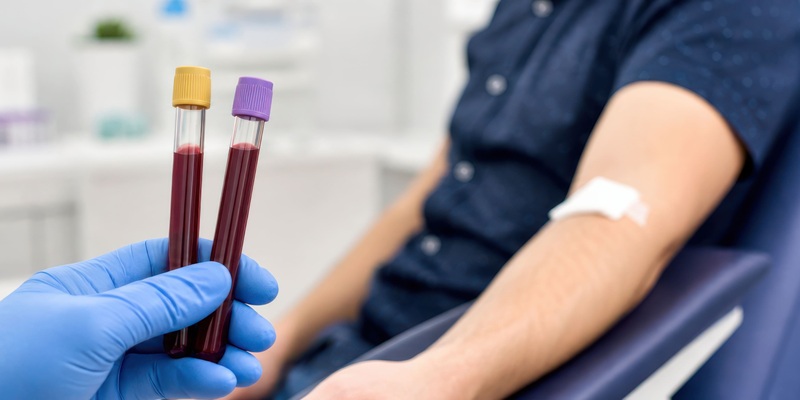
The study was designed as a large-scale retrospective analysis of real-world hospital data. Researchers screened nearly 10 million routine test results collected from 670 hospitals in South Korea. The final analysis included routine blood work from 101,148 adults, with fasting duration based on time since the last meal as documented by the phlebotomist.
Statistical models were used to compare average test results across the three fasting-duration groups. To reduce the possibility that differences reflected underlying patient health, the researchers also compared the same individuals across separate visits with different fasting durations. The findings showed that blood counts, kidney function markers, electrolytes, and most liver enzymes produced similar results regardless of fasting duration.
Across 121 routine laboratory tests, only a small number showed clinically meaningful fasting-related differences. In paired within-person comparisons, 10 tests exceeded clinical error thresholds. When fasting was under 8 hours, blood glucose was 10.8% higher, triglycerides were 20.1% higher, and lipase was 36.4% higher, while glucose decreased by about 4.3 mg/dL for each additional hour of fasting.
Fasting for 8–12 hours versus more than 12 hours produced no clinically meaningful difference for any test result. The findings were published in JAMA Internal Medicine on September 28, 2026. The researchers stated that further research in more diverse populations is needed before clinical standards can be redefined.