Study Finds Distinct Malaria Parasites Linked to Sickle Cell Trait Protection
Posted on 13 Oct 2026
Malaria remains one of the world’s deadliest infectious diseases and has affected humans throughout recorded history. In regions where malaria is common, human genetics have been shaped by the sickle cell variant, which can cause disease when inherited in two copies but provides protection against malaria when present in one. Understanding how this protective effect works could inform new approaches to prevention.
Researchers at University of Utah Health (Salt Lake City, UT, USA) and collaborating institutions used high-throughput DNA sequencing to analyze both human genetics and the malaria parasites infecting study participants. The analysis identified a distinct parasite variety associated with people carrying the sickle cell variant. According to the study, these individuals were infected almost exclusively by this parasite type, which may help explain their lower risk of developing malaria-related disease.
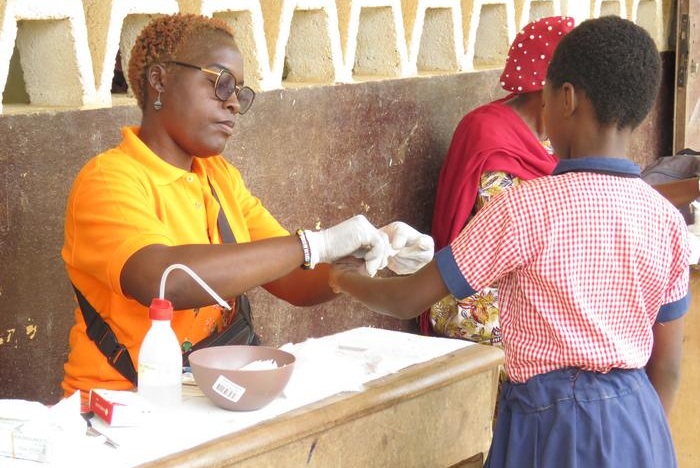
The team analyzed genetic data from more than 2,000 people in Mfou, Cameroon, together with the parasites infecting them. Earlier work had identified the unusual parasite strain in rare symptomatic cases among people with the sickle cell variant. The new study expanded the analysis to asymptomatic infections, which were present in approximately three-quarters of the otherwise healthy study population.
People with and without the sickle cell variant had similar overall infection rates, but the parasite genotypes differed between the groups. Those carrying the sickle cell variant were more likely to be infected with one parasite variety, while genetically distinct parasites were more common among people without the variant. Despite comparable rates of infection, people with the sickle cell variant were only one-tenth as likely to develop harmful disease.
The findings were published in Nature Microbiology in a study titled “Sickle cell haemoglobin status shapes malaria parasite genotype in asymptomatic infections.” Institutions represented in the work include University of Utah Health, University of Douala, Centre Pasteur du Cameroun, and University of Bertoua. The findings suggest that malaria reflects an ongoing evolutionary interaction in which human genetic variation and parasite genetic variation may shape each other.
“It’s still kind of surprising that was under the radar. It was hiding in plain sight. People have been looking at this association for a long time, but you have to be able to ask the parasite for it to tell you this,” said Ellen Leffler, PhD, assistant professor of human genetics at University of Utah Health and one of the senior authors of the study.
“This gives us a new dimension to try to understand what determines the outcomes of infection. We hope this will lead to deeper biological understanding of the parasite and of this co-evolutionary system that is quite unique in humans, and ideally to some practical new strategies for tracking or treating infections,” added Leffler.
Related Links
University of Utah Health





.jpg)