Stronger Laboratory Services Support Timely Melioidosis Diagnosis Amid Global Spread
Posted on 19 Jun 2026
Melioidosis, a potentially fatal infection caused by Burkholderia pseudomallei, remains difficult to recognize because its symptoms can mimic tuberculosis and other illnesses. The disease is considered endemic in more than 60 countries, and diagnostic delays can sharply reduce survival. Strengthening clinical laboratory services is therefore essential for timely detection and treatment. A new review highlights the disease’s expanding global footprint and underscores the need for coordinated diagnostic capacity.
Menzies School of Health Research (Darwin, Australia) led a review, published in PLOS Neglected Tropical Diseases, titled “Global dispersal of Burkholderia pseudomallei and the evolving endemicity of melioidosis in the United States of America.” The analysis compiles evidence on where the bacterium is establishing and how exposure is occurring. It places laboratory readiness at the center of efforts to accelerate accurate diagnosis and appropriate care.
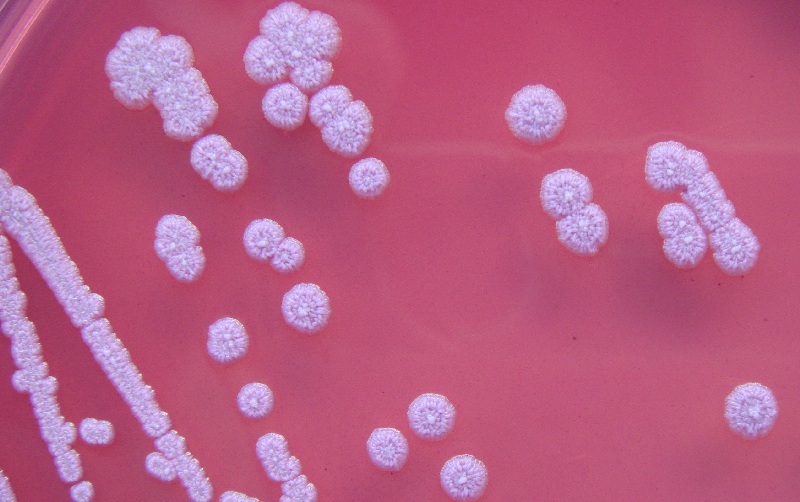
The review links heightened exposure risk to soil disturbance and flooding associated with more frequent and severe weather events and urban development. Rising rates of chronic diseases, particularly type 2 diabetes, are noted to increase individual susceptibility to infection. As case reports accumulate, the authors emphasize a public health approach that advances prevention alongside timely diagnosis and treatment.
Geographic patterns are shifting. More than 60 countries are now considered endemic, with Mali and the U.S. state of Mississippi, and likely Georgia and Texas, identified as endemic for melioidosis. Within established regions, three strains originating in Asia have entered and become established in tropical northern Australia, although their route of introduction remains unknown.
Given melioidosis’ reputation as a “great mimicker,” misdirected workups can delay definitive identification and negatively affect outcomes. The review highlights the need for strong laboratory capacity, particularly in under-resourced settings, to shorten time to diagnosis and support effective treatment.
“In Australia we are very fortunate to have both laboratory and intensive care capacity that has brought down the mortality of melioidosis to under 10%. Much of the world where melioidosis occurs is not so fortunate; many cases remain undiagnosed and mortality can still be 40%,” said Bart Currie, senior principal research fellow, Menzies School of Health Research.
“The global scientific effort addressing melioidosis is an example of long-term partnerships and collaborations that hopefully will be able to transcend current geopolitical upheavals,” added Currie.
Related Links
Menzies School of Health Research



.jpg)