Stem Cell Biomarkers May Guide Precision Treatment in Acute Myeloid Leukemia
Posted on 11 May 2026
Acute myeloid leukemia (AML) is an aggressive blood cancer that most often affects older adults and still carries a poor prognosis despite therapeutic advances. Venetoclax-based regimens have improved outcomes, yet relapse remains common because drug-resistant leukemia stem cells (LSCs) survive treatment. Defining which malignant cell populations drive resistance could help tailor therapy from the outset. A new study shows that biologically distinct LSC subtypes shape venetoclax resistance and highlight opportunities for targeted drug combinations.
Researchers at the German Cancer Research Center (DKFZ; Heidelberg, Germany) and the HI-STEM Stem Cell Institute (Heidelberg, Germany) characterized LSC heterogeneity in AML and identified at least four subtypes. The teams’ analyses indicate this diversity helps explain why responses to a key targeted agent, venetoclax, vary widely and may wane over time.
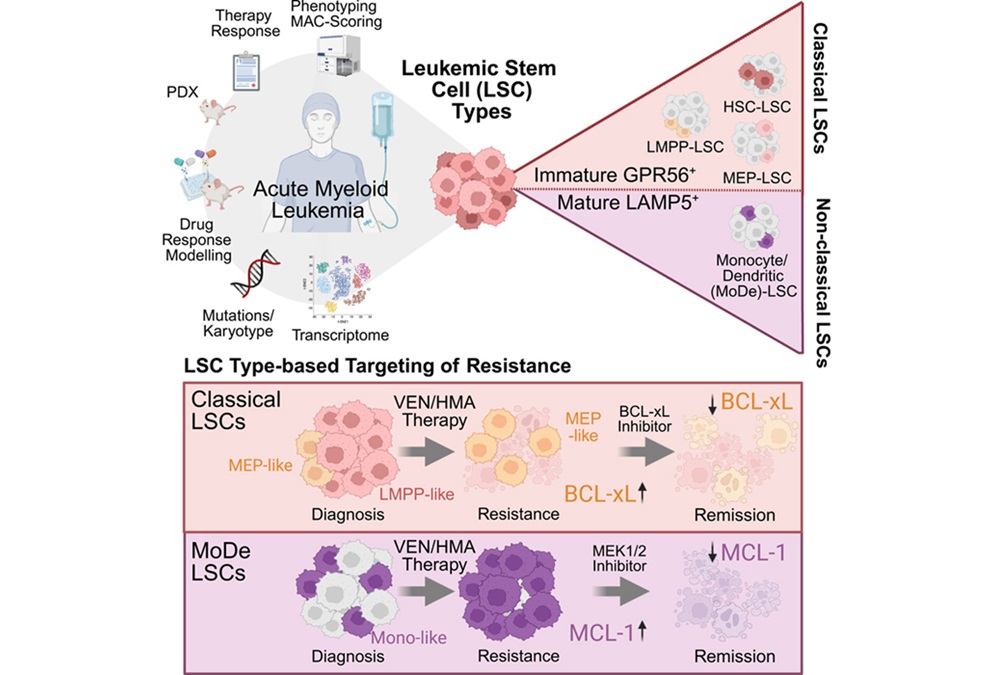
The investigators outline how venetoclax acts by blocking the anti-apoptotic BCL-2 protein to trigger programmed cell death in leukemia cells. However, LSCs rely on different survival mechanisms: some are highly BCL-2 dependent, while others use alternative pathways. Under therapeutic pressure, malignant cells can “reprogram” into less sensitive states and switch to a related survival protein, BCL-xL, thereby evading venetoclax.
Study samples from more than 150 AML patients showed that LSC subtype identity determines drug sensitivity. In patient-derived mouse models, combining venetoclax with a BCL-xL inhibitor produced significantly greater antileukemic effects than previous standard treatments. Depending on the LSC subtype, cells responded to different agents, suggesting that resistance can be overcome with subtype-matched combinations.
The researchers also report that specific biomarkers can distinguish the LSC subtypes, providing a potential framework for assigning therapies to the biology of each case. According to the study, these findings establish concrete routes to address venetoclax resistance and lay groundwork for more precise AML treatment strategies. The research was conducted at DKFZ and HI-STEM and is published in Cell Stem Cell.
"This means that in the future, it may be possible to determine at the time of diagnosis which patient will benefit most from which therapy. Treatment would thus become more individualized, targeted, and potentially successful," explains Alexander Waclawiczek, first author of the study.
“The results should help to align AML therapy in the future more closely with the biological characteristics of individual AML cases, and—in particular—their leukemia stem cells, rather than treating all patients according to a similar protocol. Testing this new treatment strategy in a clinical trial with AML patients would now be the next step,” said Andreas Trumpp, study leader at HI-STEM and the German Cancer Research Center (DKFZ).
Related Links
German Cancer Research Center
HI-STEM Stem Cell Institute