Roche Launches Automated Test to Support Mesothelioma Differential Diagnosis
Posted on 28 Oct 2026
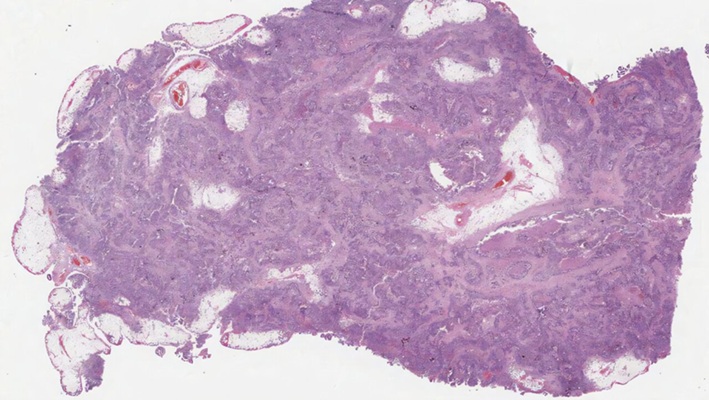
Mesothelioma is a rare, deadly cancer that forms in the tissue lining many internal organs. Most patients are diagnosed late, with median overall survival reported at 12 to 18 months. Differential diagnosis can be difficult because malignant mesothelioma must be distinguished from lung, breast and stomach cancers, as well as benign tissue growth in the chest or abdomen. A newly launched test now offers an automated immunohistochemistry approach to support that distinction.
Roche has launched the VENTANA BAP1 (SP527) test globally. The automated, ready-to-use immunohistochemistry (IHC) assay is designed as a diagnostic tool to help clinicians and pathologists identify mesothelioma, including differentiation from other malignancies such as non-small cell lung cancer (NSCLC). The BAP1 assay is registered as a Class I in vitro diagnostic (IVD) with the U.S. Food and Drug Administration, has received in vitro diagnostic regulation (IVDR) approval as a Class C device, and is available globally.
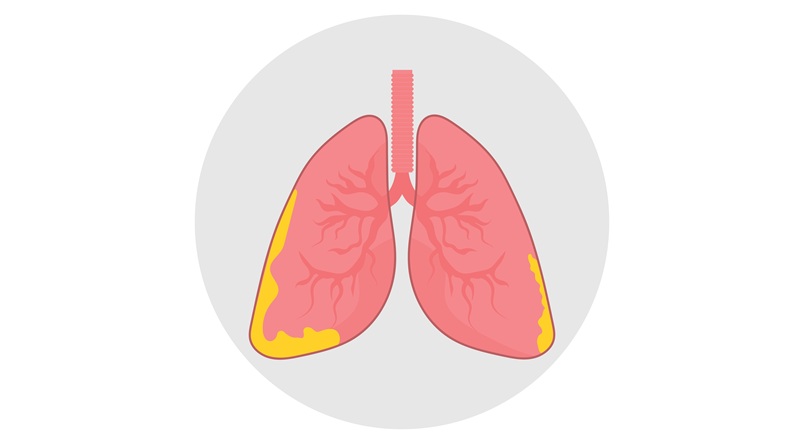
The VENTANA BAP1 (SP527) Rabbit Monoclonal Primary Antibody is designed for automated IHC testing to detect nuclear loss of BAP1 expression. BAP1 is described as a tumor suppressor marker located on chromosome 3p21. Loss of nuclear BAP1 expression by IHC is reported as virtually 100% specific for malignancy in mesothelial proliferations. The assay is intended to confirm mesothelioma in conjunction with mesothelial lineage markers such as WT1 and calretinin.
The test is positioned within a diagnostic workflow in which tissue conservation is a major concern. Traditional approaches can exhaust tissue blocks through extensive antibody panels, while single markers with high specificity may help differentiate cancers while minimizing tissue loss. The BAP1 (SP527) assay is used alongside the recently launched VENTANA MTAP (SP530) and VENTANA Claudin-4 (EP417) tests to help distinguish malignant mesothelioma from benign and metastatic mimics.
By optimizing sample management, clinicians can preserve tissue for essential molecular sequencing and precision medicine testing. The cancer diagnostic portfolio described with the launch spans advanced tissue diagnostics, core laboratory immunoassays, molecular diagnostics and digital diagnostics. In lung cancer, a major related diagnostic area, more than 2.5 million people are diagnosed globally each year, and up to 85% of cases are NSCLC.
“Timely differential diagnosis of mesothelioma is critical to help deliver the best outcome for patients. Adding BAP1 to our portfolio underscores our commitment to developing innovative solutions that enable healthcare systems around the world to address diseases with high unmet need, such as mesothelioma,” said Matt Sause, CEO of Roche Diagnostics.