Rapid Panel Identifies Gram-Negative Pathogens and Resistance Markers in Bloodstream Infections
Posted on 15 Jul 2026
Bloodstream infections require rapid identification of causative pathogens and resistance mechanisms to guide effective therapy. Delays in profiling gram-negative organisms, which are frequently associated with antimicrobial resistance, can postpone appropriate treatment and hinder infection control. A newly launched panel now delivers one-hour detection of gram-negative bloodstream pathogens and resistance markers from positive blood cultures, expanding rapid testing options in Europe.
QIAGEN has introduced the CE-IVDR-certified QIAstat-Dx BCID GN Plus AMR Panel for use on the QIAstat-Dx platform in Europe. The assay detects 13 gram-negative bacterial pathogen targets and 18 antimicrobial resistance markers from positive blood cultures in about one hour. It complements the recently launched QIAstat-Dx BCID GPF Plus AMR Panel in Europe, extending coverage across gram-positive bacteria, gram-negative bacteria, fungi, and key resistance mechanisms.
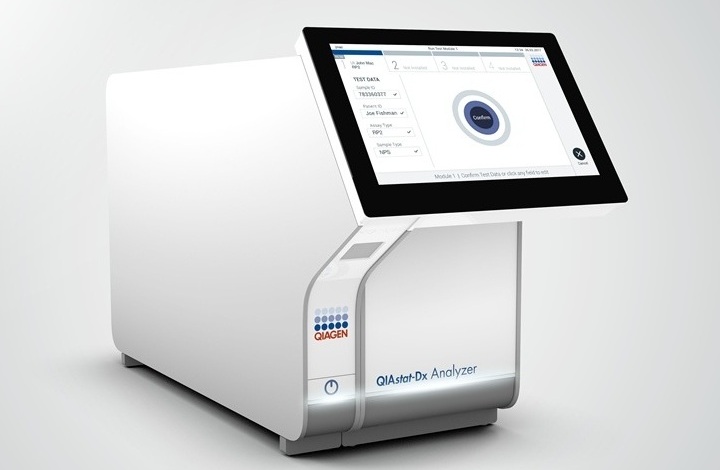
QIAstat-Dx is a cartridge-based molecular system that integrates sample preparation, molecular analysis, and result interpretation in a streamlined workflow. The platform delivers results in about one hour from positive blood cultures, enabling laboratories to generate clinically relevant insights. The combined detection of pathogen targets and resistance markers supports antimicrobial stewardship and infection control efforts.
Used together, the gram-negative and gram-positive/fungal panels provide detection of 33 pathogen targets and 28 antimicrobial resistance markers for comprehensive bloodstream infection testing on the same platform. The QIAstat-Dx BCID GN Plus AMR Panel is CE-IVDR certified and available in applicable European markets, and regulatory review by the U.S. Food and Drug Administration (FDA) is underway. The addition builds on a QIAstat-Dx menu that also includes respiratory, gastrointestinal, and meningitis/encephalitis panels.
Gram-negative pathogens are among the leading causes of bloodstream infection and are frequently associated with antimicrobial resistance. The growing burden of beta-lactam resistance driven by extended-spectrum beta-lactamase and carbapenemase-producing organisms underscores the need for rapid and accurate detection. As of the end of 2025, more than 5,200 QIAstat-Dx instruments were placed in over 100 countries, supporting broad access to the expanded bloodstream infection testing menu.